

“It’s really important that we put partisanship aside and concentrate on that which makes our nation run.”
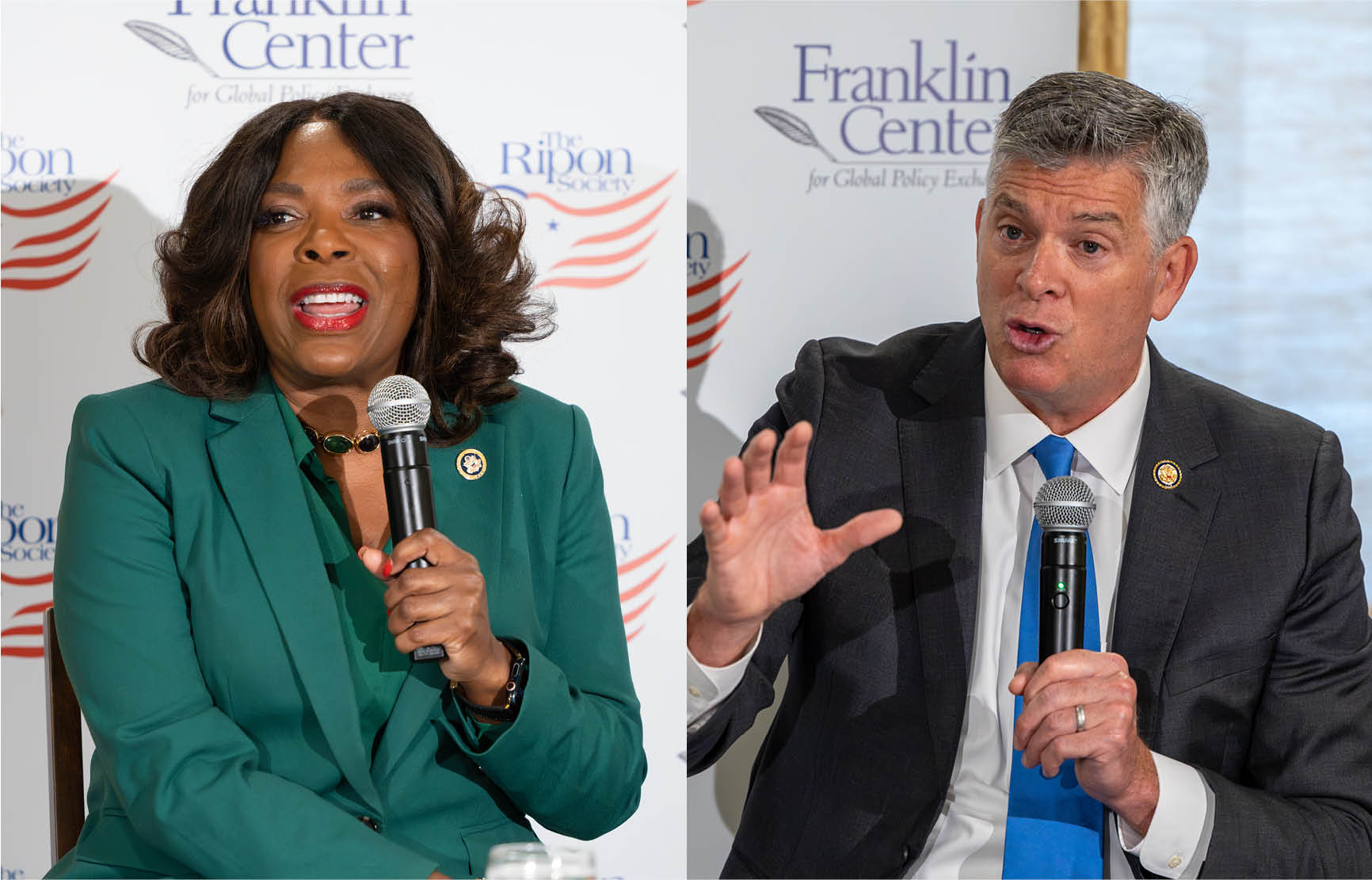
WASHINGTON, DC – With 42 days in session left in the 119th Congress, bipartisan leaders of the U.S. House Ways & Means Committee appeared before a breakfast meeting of The Ripon Society and Franklin Center for Global Policy Exchange yesterday morning to discuss their shared accomplishments as well as what they see on the horizon.
The two Members of Congress were Congressman Darin LaHood (R-IL-16) and Congresswoman Terri Sewell (D-AL-07).
LaHood opened the discussion by reflecting on his tenure on the committee since first winning election in 2015.
“I love serving on the Ways and Means Committee. When I first got elected in 2015, it was the committee that I wanted to serve on, and it has been a real joy to be a part of it. I love the depth of the committee. I love the nuances of the committee. I love the people on the committee. We get to work together on a lot of issues.”
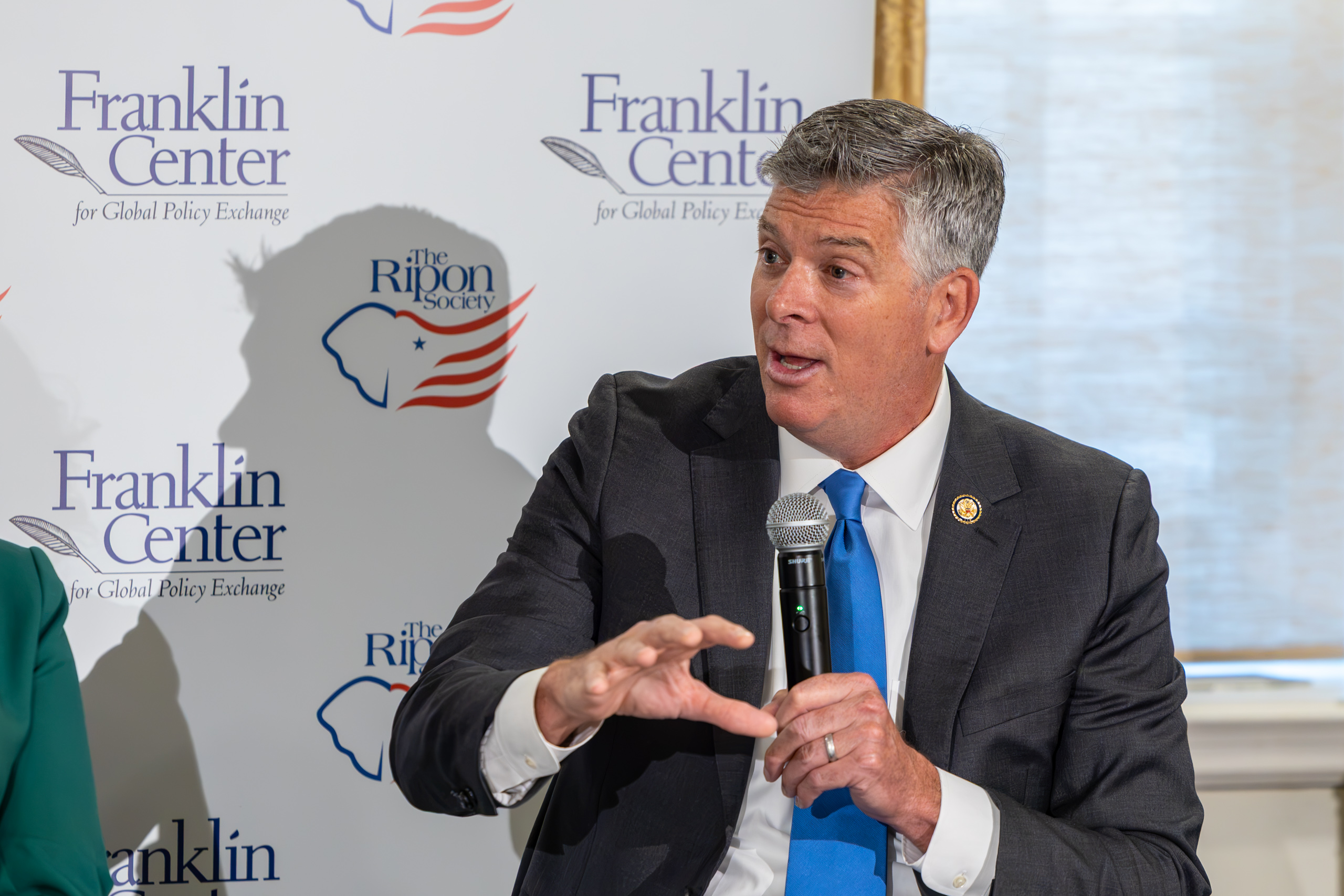
“There’s very good comradery on the committee,” LaHood continued. “We work well together on lots of different issues. It doesn’t mean we agree on everything, and clearly, we’ve had partisan bills through reconciliation that have gone on, but the value is really in the people that serve on the committee.”
The Prairie State lawmaker pointed to last year’s Working Families Tax Cut Bill as an example of that underlying cooperation.
“If you go back to the Working Families Tax Cut Bill we passed about a year ago, it was partisan as most reconciliation bills are on both sides of the aisle. But I would make the argument that 65 or 70% of the things that are or were in that bill, many of those were bipartisan things like the Affordable Housing Tax Credit, Child Tax Credit, 199A. We may have some differences in the variation of how these things are implemented, but a lot of that was bipartisan work we’ve worked on for a long time together.”
LaHood also pointed to the Nancy Gardner Sewell Medicare Cancer Early Detection Act, signed into law on February 3, 2026, in honor of Rep. Sewell’s late mother, as one of the most bipartisan and consequential measures the committee has produced this Congress.
Sewell echoed that sentiment, recalling the advice she received as a freshman member to get to know her colleagues on both sides of the aisle.
“The temperament among the members of the Ways and Means Committee was even keel. You will find folks that will put out red meat, but by and large, we’re a committee that works together when we can work together, and we do on big issues like trade, tax, Social Security, and all the various things that we work on.”
She added that the committee’s role as the sole tax-writing body in Congress gives its bipartisan work particular weight.
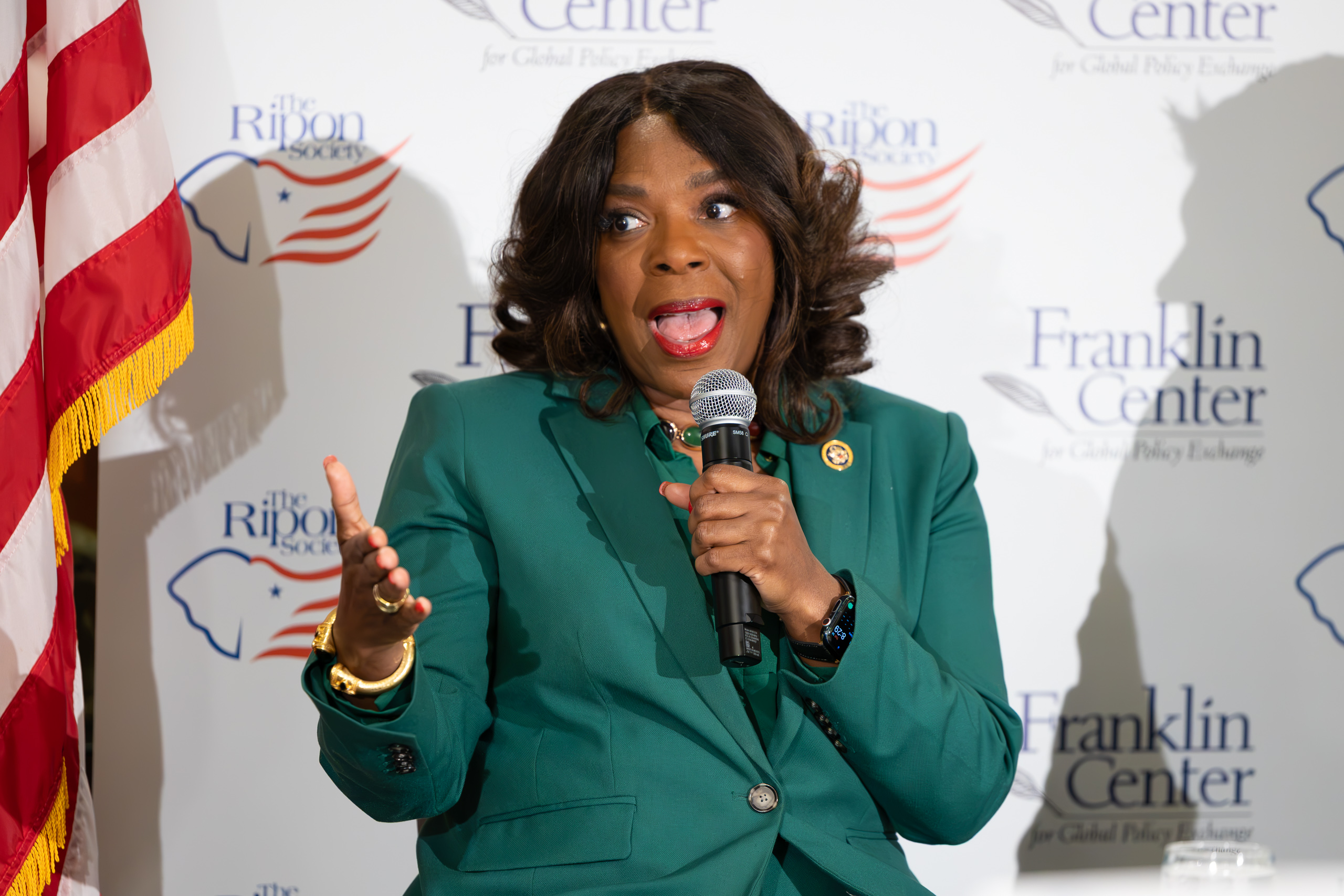
“We are the driving force toward the economy, and we find common ground around those things that are most important to our economy. That’s innovation, that is making sure that we are facilitating and investments in our greatest asset, which are our people. It’s really important that we put partisanship aside and concentrate on that which makes our nation run.”
On the cancer detection bill, which she led with House Budget Committee Chairman Jodey Arrington (R-TX-19), Sewell recounted a conversation she had with House Speaker Mike Johnson about the legislation’s cost.
“He said to me, ‘Well, Terri, the biggest problem we’re going to have is it’s very, very expensive.’ And I said, ‘Well, isn’t it great that the Budget Chair is my co-sponsor?’… Either we’re going to find [a way] to pay for it or not, but we’re going to pass this bill because it’s too important not to.”
“Early detection, I think all of us know, is the best way to get a positive outcome when one is diagnosed with cancer. And so what this bill does is it allows the leading cutting-edge innovation therapies that can actually test up to 40 different types of cancers with one vial of blood.”
Following their opening remarks, LaHood and Sewell took a number of questions, including one about legislation the pair have cosponsored, the Modernizing Manufacturing and Agriculture Bond Act, and how the measure could help bring manufacturing back to the U.S. and support young farmers.
“It would actually be cheaper for them to finance manufacturing by increasing the cap,” Sewell stated. “A lot of my farmers are really worried because their next generation, their children are not returning back home to work on the farm. And so, we have to incentivize that which we want to see.”
LaHood agreed, noting the pressures facing farmers in his own district.
“There’s a lot of anxiety and stress in the agriculture community and many of our rural areas right now… Raising the threshold from 10 million to 30 million allows that, and the 450,000 to 1 million — these are incentives that allow young people to get back involved in farming, and in manufacturing.”
Sewell closed by noting the broader purpose tax-exempt bonds serve in the economy.
“That’s why tax-exempt bonds exist, in my opinion – for public good. We incentivize things by making sure that those who are buying those bonds get a tax break. But the bonds are being used to incentivize the real work that we want to see done and how we want our economy to grow.”
To view LaHood and Sewell’s remarks before The Ripon Society and Franklin Center yesterday morning, please click the link below:
The Ripon Society is a public policy organization that was founded in 1962 and takes its name from the town where the Republican Party was born in 1854 – Ripon, Wisconsin. One of the main goals of The Ripon Society is to promote the ideas and principles that have made America great and contributed to the GOP’s success. These ideas include keeping our nation secure, keeping taxes low and having a federal government that is smaller, smarter and more accountable to the people.
Founded in 1978, The Franklin Center for Global Policy Exchange is a non-partisan, non-profit 501(c)(3) organization committed to enhancing global understanding of important international issues. The Franklin Center brings together Members of the U.S. Congress and their international parliamentary counterparts as well as experts from the Diplomatic corps, foreign officials, senior private sector representatives, scholars, and other public policy experts. Through regular conferences and events where leading international opinion leaders share ideas, the Franklin Center promotes enlightened, balanced, and unbiased international policy discussion on major international issues.