



Over‑prescribing, or what we have termed “medication overload,” is a major feature of modern healthcare in the U.S. and around the world. It is the act of giving a patient a medicine that on balance adds more risk than benefit, because the drug itself is either unnecessary, duplicative, given in an excessive dose or duration, increases risks due to pre-existing “polypharmacy” or is simply not the best treatment option.
The scope of the problem in the U.S. is huge. A famous example is opioid overprescribing, which was responsible for a large proportion of drug overdose deaths. Another well-known problem is that roughly 20-40 percent of antibiotic prescriptions are unnecessary or inappropriate. That is a real danger to us all because it contributes to the development of antibiotic resistance in bacteria which, if they infect any of us, can then become untreatable and lead to more severe illness and even death. Antidepressants, proton pump inhibitors, ADHD meds, and statins are all frequently overprescribed. A related but distinct problem is medication overload, when multiple drugs, each of which might be perfectly reasonable in isolation, create unnecessary risks when combined. More than four in ten older adults take five or more prescription medications and have a markedly increased risk of side effects.
The consequences of overprescribing include poor patient outcomes such as increased side effects, including falls, fractures, cognitive impairment, and drug interactions; drug dependency and addiction; reduced quality of life from the burden of managing multiple medications and dealing with their side effects; and increased healthcare costs.
Cost Estimates
Depending on what you count, over‑prescribing costs the United States anywhere from a few billion dollars a year in easily measurable drug waste to half a trillion dollars by some estimates if you include hospitalizations, emergency visits, doctors visits, and deaths from inappropriate or excessive medication causes. There are lots of small niches of waste (antibiotics, oncology, vial sizes, etc.) that are each hundreds of millions or a few billion dollars, but which together can really add up.

Depending on what you count, over‑prescribing costs the United States anywhere from a few billion dollars a year in easily measurable drug waste to more than half a trillion dollars…
Addressing overprescribing therefore represents a major opportunity for stewardship of healthcare dollars: curbing unnecessary prescribing would free up billions annually—and spare thousands of people from avoidable harm.
Why it Happens, How it Happens
There are many inter-related drivers of the various forms of unnecessary health care like overprescribing. Chief among them is a desire and expectation that the doctor do something, even if that is not always the wisest course. Equally important is the often fuzzy nature of making a diagnosis. It’s easy to over-diagnose a condition “just to be sure,” especially when there are no disincentives to do so. Fortunately, the US has avoided situations like France or China, where there is an even bigger culture of prescribing (In China’s case, driven by financial rewards for doctors who can make money dispensing medicines). But we have many examples of our own. One is the rising rates of diagnosis and prescribing for ADHD in children and adults in the US compared to the rest of the world.
Prevention – Non-drug Treatment
The MAHA “movement” has put a spotlight on the widespread problem of chronic diseases, the so-called “diseases of lifestyle” which the public health community has studied for decades. There’s been a longstanding dichotomy in their management between prescribing a pill versus practicing prevention by changing lifestyle. The case of high blood pressure is an excellent example. There are many drugs to treat it, but there’s clear evidence that dietary salt, lack of exercise, and alcohol consumption all drive blood pressure up. Trying to control it by adding one pill after another can be expensive and frustrating. For chronic diseases like hypertension, especially when they are mild, our health care system isn’t currently configured to offer many options besides medications or a lecture from the doctor.
In my experience, one common denominator of many chronic illnesses is psychosocial stress. This is understudied, but there is growing science showing how the mind and body interact through the nervous and immune systems. Maybe in the future that will lead to more drugs, but maybe it will show us how to improve health without drugs.
To change things, to improve health and wellbeing and to save money will take an integrated effort. Obviously, the best way to prevent the downstream effects of overprescribing is to prevent it in the first place. That also means a concerted effort to prevent overdiagnosis.
The best way to prevent the downstream effects of overprescribing is to prevent it in the first place. That also means a concerted effort to prevent overdiagnosis.
Many of the thresholds for labeling something as a disease rather than one end of normal are fuzzy. Most importantly, not all versions of a disease need the same treatment: how we treat them needs to be flexible with a step ladder approach once the label is attached to a person. For the lower risk end of an condition, early in its course, and at younger ages, emphasizing lifestyle is crucial.
However, while there is always some degree of individual responsibility for our health, it’s equally important to recognize that not all of our lifestyle elements are subject to “free choice” when we are trapped in unwalkable neighborhoods or holding down two jobs and struggling with child care. That means that broader efforts to level the playing field by making the healthy choice the easier choice through policy interventions are just as critical as promoting personal responsibility.
Other things we can do:
- Revise the curriculum in med school, continuing education, and in practice guidelines (e.g. for antibiotic prescribing).
- Making deprescribing protocols into a major campaign, including funding pilots to implement standard protocols, making deprescribing protocols an essential element/ a requirement of insurance contracts, ACO’s etc.
- Change clinical training to emphasize better reasoning and risk calculations. (Pharma might be advertising that drug reduces risk by 50 percent, but if the absolute risk of the disease is only 1/10 of one percent, then the treatment is only buying you an absolute risk reduction of 1/20th of one percent.
- Simple practical interventions like mandating size-of-vial reform for expensive cancer agents to reduce drug waste.
- Push harder to make proven, effective, NON-pharmacologic options visible, available, and attractive though changes in labeling, advertising, public service announcements, etc. This requires a massive educational campaign around lifestyle choices, but the payoff in savings would be big.
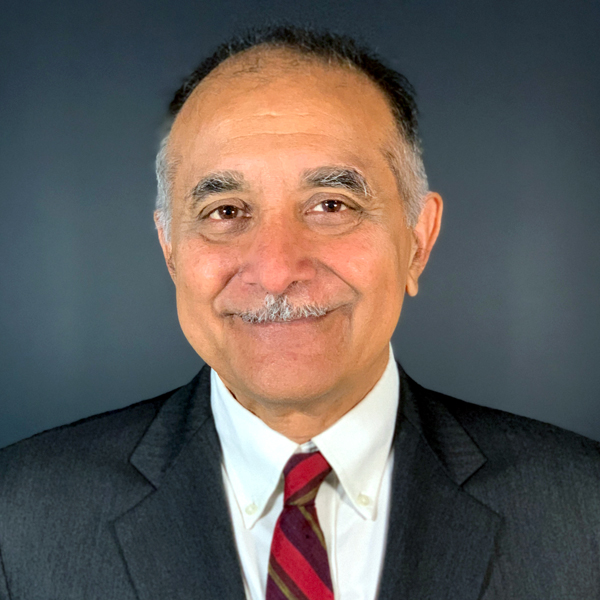
Vikas Saini, MD, is president of the Lown Institute, a nonpartisan think tank advancing a more affordable, effective, and fair healthcare system. A clinical cardiologist and former Harvard Medical School faculty member, he oversees the Institute’s research into medical overuse, patient medical debt, and hospital social responsibility, including the annual publication of the Lown Hospitals Index. Dr. Saini is also a founder of Massachusetts’ largest independent primary care physician network and the co-founder of a ground-breaking medical device company.