
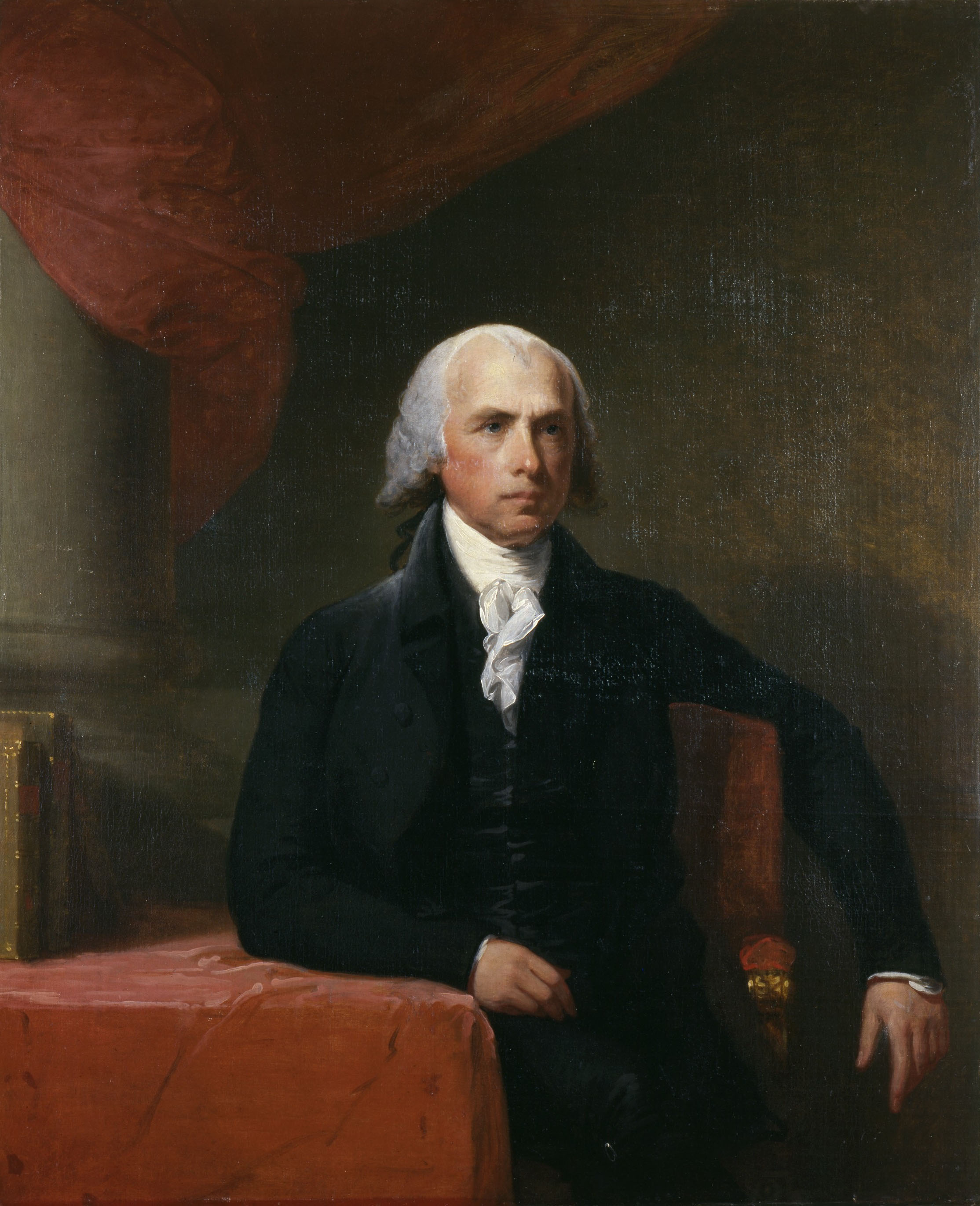
Nearly 250 years ago, James Madison declared on the floor of the U.S. House of Representatives that in a republican government, “the censorial power is in the people over the Government, not in the Government over the people.” The Founders understood that free speech is a fundamental freedom on which our representative democracy rests. The Founders also recognized that the press plays an essential role in self-government by informing the public about the work of their elected representatives, thus enabling the people to hold government officials to account.
Unfortunately, the Trump administration has taken a series of steps this year that fly in the face of the First Amendment principle, long recognized by the Supreme Court, that the press is “a constitutionally chosen means for keeping officials elected by the people responsible to all the people whom they were selected to serve.” In reporting on the government, the press must be free from tampering by government officials seeking to bend public opinion to their side. But the current administration appears intent on imposing unconstitutional restrictions on reporters to stem the flow of information and control public discourse.
The Founders understood that free speech is a fundamental freedom on which our representative democracy rests.
First, in February, the White House banned journalists from The Associated Press (AP) from participating in White House “press pool” events in retaliation for the AP’s decision to continue using the term “Gulf of Mexico” after President Trump ordered federal agencies to rename the body of water “Gulf of America.” The press pool is a small group of journalists assigned to cover the President’s activities on behalf of the larger credentialed White House press corps. The pool dates back to 1881, when an AP reporter was posted outside President James Garfield’s sick room to provide updates on his condition after he was shot.
President Trump’s decision to bar the AP from the press pool was the first time that a President from either political party has banned a news outlet from the pool based on its viewpoint. Previously, the White House press pool enjoyed a largely unbroken history of independence. Its composition was determined in a nonpartisan way by the White House Correspondents’ Association, and its journalists could engage in newsgathering and reporting without fear or favor.
Because the First Amendment prohibits the government from imposing these kinds of viewpoint-based penalties on reporters, the AP sued. A Trump-appointed federal judge in D.C. found that the ban violated the First Amendment because it excluded the AP from a forum that the White House had intentionally opened to a group of journalists for the purpose of engaging in protected newsgathering and reporting, and because it impermissibly retaliated against the AP based on its speech. That ruling is now on appeal.
Second, in October, the Pentagon issued vague new restrictions on the Pentagon press corps. Weeks earlier, the Pentagon had released initial “draft” restrictions that would have required these reporters to seek approval from the government before publishing their stories. After pushback from across the political spectrum, the Pentagon announced “revised” restrictions that were less direct, but equally chilling. These restrictions state that while “[m]embers of the news media are not required to submit their writings . . . for approval” before publication, the Pentagon may nevertheless revoke their press passes — and bar them from accessing the Pentagon — after they publish any “unauthorized” information or merely “solicit” information from department employees.
The Founders also recognized that the press plays an essential role in self-government by informing the public about the work of their elected representatives, thus enabling the people to hold government officials to account.
This standardless policy gives the Pentagon the power to retaliate selectively against reporting it disfavors and sends a message to the entire Pentagon press corps: Be careful what you report, because your access depends on it. Dangling the threat of revocation over journalists’ heads, the restrictions forced members of the press corps to choose between continued access and adherence to basic journalistic independence and integrity. The vast majority of news organizations that regularly cover the Pentagon, including conservative outlets like Fox News and Newsmax, rejected these terms, and their reporters turned in their press passes.
These efforts by the Trump administration to control the information that reaches the public should trouble anyone who cares about self-government and free speech. The press corps and press pools that cover federal officials and agencies like the President and the Pentagon serve a unique function in our democracy. Most Americans don’t communicate directly with the upper echelons of the executive branch. They rely on their proxies in the press to be their eyes and ears — to ask questions, seek out information, and report on the business of their government. By representing multiple perspectives and probing government talking points, a diverse and independent press corps keeps the people closer to their elected representatives and those representatives closer to the people.
The Trump administration has defended its moves by arguing that access to government officials and spaces is a privilege, not a right, and that the government should be able to pick and choose which reporters deserve that privilege. But this position turns Madison’s declaration on its head. When the government provides access only to favored reporters, or only if reporting conforms to the government’s chosen narratives, it exercises a “censorial power” over the press that poisons our information ecosystem and inhibits effective self-government.
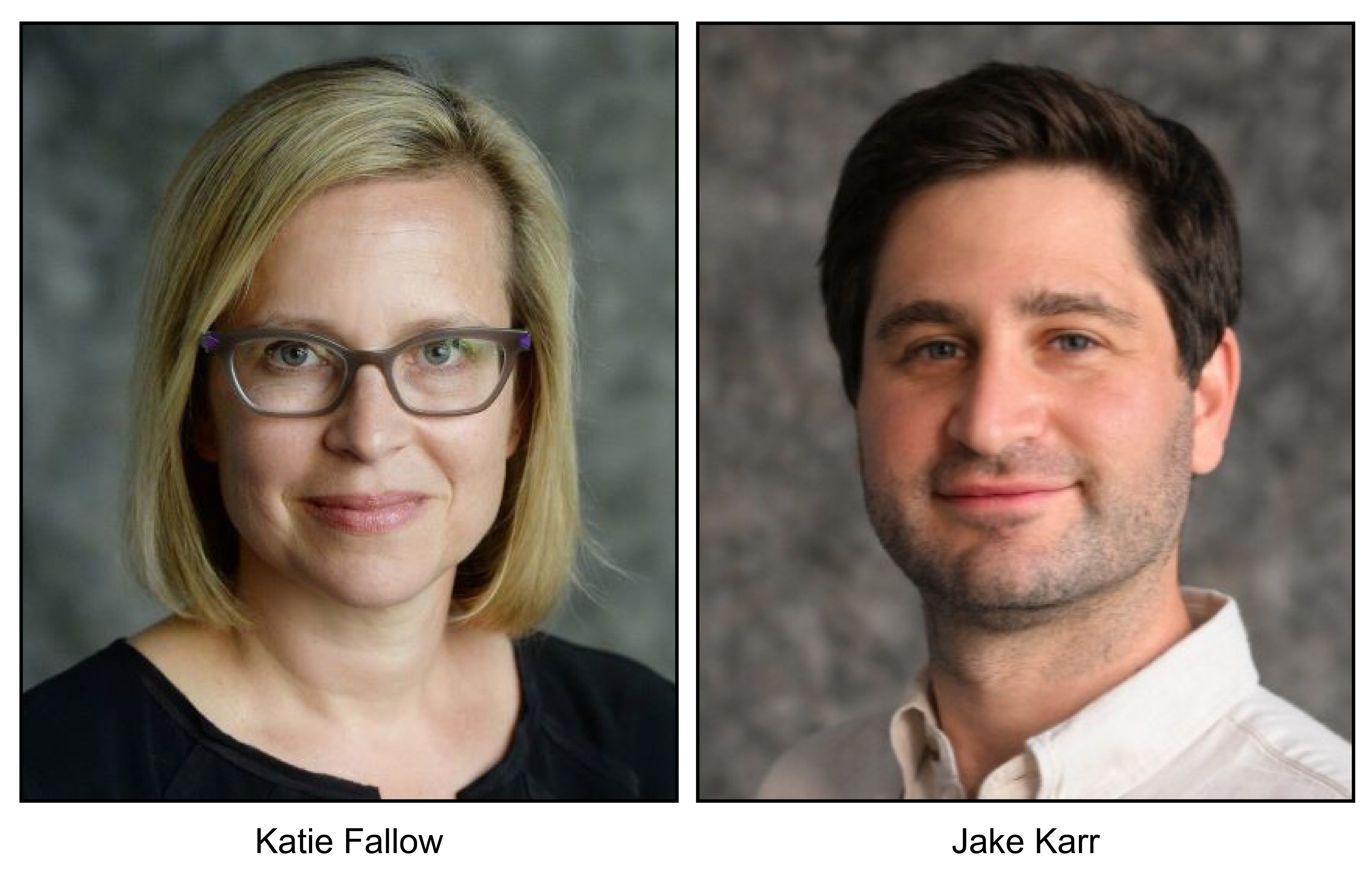
Katie Fallow is deputy litigation director at the Knight First Amendment Institute, where she focuses on threats to free speech and a free press in the digital age, particularly in the area of social media. Before joining the Knight Institute, Ms. Fallow was a partner at Jenner & Block LLP in Washington, D.C., and served as Deputy Director of the Bureau of Consumer Protection at the FTC. Jake Karr is a staff attorney at the Knight First Amendment Institute, where he focuses on issues of government censorship, surveillance, and transparency. Before joining the Knight Institute, Mr. Karr was the Acting Director of the Technology Law & Policy Clinic at New York University School of Law.