


For decades, America’s leadership on the world stage has made our nation more prosperous and more secure. Our strong alliances and mutual security guarantees have resulted in decades of hard-earned goodwill with nearly every developed country in the world. We enjoy robust support and leadership in international organizations, and have been able to structure the global trade regime in ways that make America richer and safer. Maintaining this leadership status and remaining the partner of choice for allied nations not only benefits freedom-loving people across the world, but is firmly within our national security self-interest.
During President Biden’s Administration, threats abroad reached critical levels. Russia began a full-scale invasion of Ukraine, China became increasingly aggressive towards Taiwan and internationally, and Iran supported, and continues to support, violent terrorism in the Middle East. While thankfully not in our backyard, these events pose a very real threat to our peace here at home and thus require American leadership to ensure those who seek to harm our interests are kept in check or defeated.
For decades, America’s leadership on the world stage has made our nation more prosperous and more secure.
China remains our greatest military and economic adversary, and they are consistently partnering with Russia, Iran, and North Korea to degrade the American-led western world order we have so carefully built for over a century. China seeks an exclusive sphere of influence in East Asia. Russia wants America to disengage in Europe so it can bully its neighbors and turn them against the West. Iran seeks to diminish American influence in the Middle East and develop nuclear weapons. North Korea harasses our military partner, South Korea, and is developing intercontinental nuclear missiles to threaten the American homeland. Each of these adversaries has its own objectives, but they share a common goal of denying America influence and our ability to partner with our allies.
In order to prevent China, Russia, Iran, and North Korea from succeeding, we must focus on deterrence through displays of hard and soft power. Such deterrence is particularly important in Ukraine, as this battleground serves as a symbol and a proxy for potential conflicts to come. China is closely watching how we and our allies respond to Russia’s invasion. Aiding Ukraine and our allies in Eastern Europe in keeping Russia from their borders sends a powerful message, not only to leaders in these nations, but to China, which threatens to use violence to push us from the first island chain and take Taiwan by force. Last month, President Macron pointed this out directly: if Russia is allowed to take Ukrainian territory “without restrictions, without any constraints, what could happen in Taiwan? What will you do the day something happens in the Philippines?”
Our strong alliances and mutual security guarantees have resulted in decades of hard-earned goodwill with nearly every developed country in the world.
America has the resources and the capability to deter those seeking to harm our interests, but we are much more powerful when in concert with our allies. China is preparing to fight a war just 80 miles from its shore. It can concentrate its entire military in just one small area requiring minimal logistics. American forces must travel thousands of miles. But when Korea, Japan, the Philippines, and Australia are fighting with us, our forces are much closer to the fight, creating a much stronger deterrent that can help prevent conflict in the first place.
To continue in our leadership role, we must strengthen alliances abroad, increase financial and military support for our allies currently in conflict, and have a leadership role in any multilateral setting. Tangible and easily accomplished means abound: increased arms sales to Ukraine and Taiwan; expanding presence of American forces in Eastern Europe and Asia; and providing robust leadership in the international organizations, such as NATO, that we created that have advanced American interests for seventy years.
America is a natural leader. We are a city upon a hill for billions of people around the world. We have built a world order around American leadership that has made us, and those who wish to partner with us, immensely prosperous. Our leadership and alliances are of immense economic and security value to us, and we should not give them up without a fight.
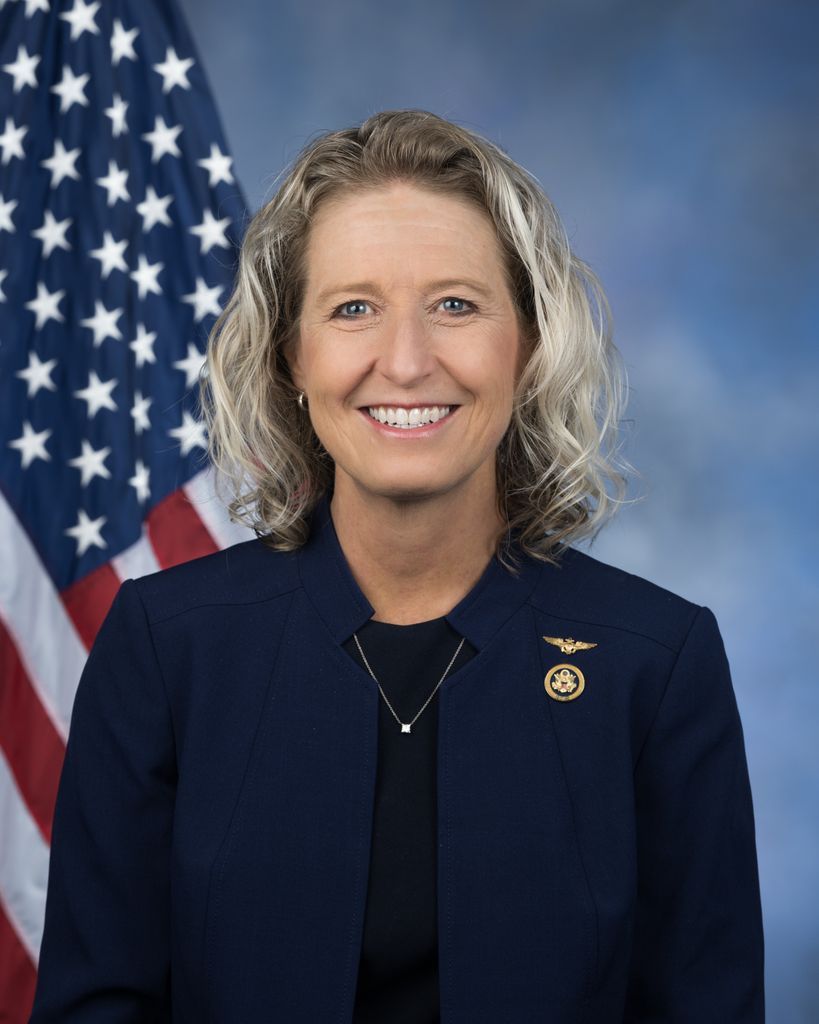
Jen Kiggans represents the 2nd District of Virginia in the U.S. House of Representatives. A Member of the Armed Services Committee, she spent 10 years in the U.S. Navy, where she served as a pilot flying H-46 and H-3 helicopters and completed two deployments to the Persian Gulf.