
With less than a week to go until the 2024 presidential election, I received an urgent call from one of my colleagues at The Hill newspaper.
A senior editor on Oct. 29 told me that then-President Biden had apparently labeled President Trump supporters “garbage.” The first thing that came to mind was Hillary Clinton’s infamous “basket of deplorables” remark in 2016 and Trump’s subsequent surprise victory.
But there was controversy over what exactly Biden said and meant. Some journalists immediately swallowed the White House spin and claimed the president’s comment was “taken out of context.” Biden’s team said his “garbage” quip was directed at a comedian who had referred to Puerto Rico as a “floating island of garbage” during a Trump rally at Madison Square Garden.
After listening to the Biden tape more than two dozen times, it was clear Biden had labeled Trump backers trash. We reported it. Days later, it came to light that the White House had altered the official transcript over the objections of stenographers. Harris swiftly disassociated herself from Biden’s statements, though the damage had been done.
I have covered politics in the nation’s capital for three decades. I didn’t realize there was bias in the media until I worked in the Fourth Estate.
I have covered politics in the nation’s capital for three decades. I didn’t realize there was bias in the media until I worked in the Fourth Estate.
Most political journalists are Democrats, but that doesn’t mean they’re all biased. Far from it. Unfortunately, many reporters and editors get caught up in pre-election hysteria. They forget to do what they should be doing — calling balls and strikes. Instead they become powerful cheerleaders.
There was a smugness in political reporting in 2024. Most outlets shied away from reporting the very important fact that Biden’s mental acuity had slipped significantly as president. Voters could plainly see it. Yet, they were told countless times he was “as sharp as a tack.”
It’s no wonder that trust in the media is at historic lows. And that’s part of the reason the press industry is in such turmoil and will never be the same.
Politics has always been polarizing (yes — even before Trump ran for president). Now it’s off the charts. Politics has become violent and dangerous.
Trump falsely says the press is the enemy of the people and insults anyone who gets in his way. As the leader of the free world, that doesn’t set a good example of public discourse. Still, he isn’t alone. Democrats and Republicans, who joined together to sing on the steps of the Capitol after 9/11, personally attack the other side — and sometimes their own side — on a regular basis.
The media — and social media — must shoulder some blame. Faced with declining revenues, corporate giants such as The Washington Post, CNN and CBS have tried to revamp their operations. They all face uphill climbs, though CBS seems to understand that a major revamp is in order instead of tinkering around the edges.
In recent years, a term that was rarely uttered became somewhat mainstream: activist journalist. It should become obsolete because the phrase is an oxymoron. There’s certainly a place for columnists and pundits on the far right and the far left and everything in between. However, if you are covering news events for an outlet that purports to be down the middle, you cannot be an activist. You don’t take sides. Period.
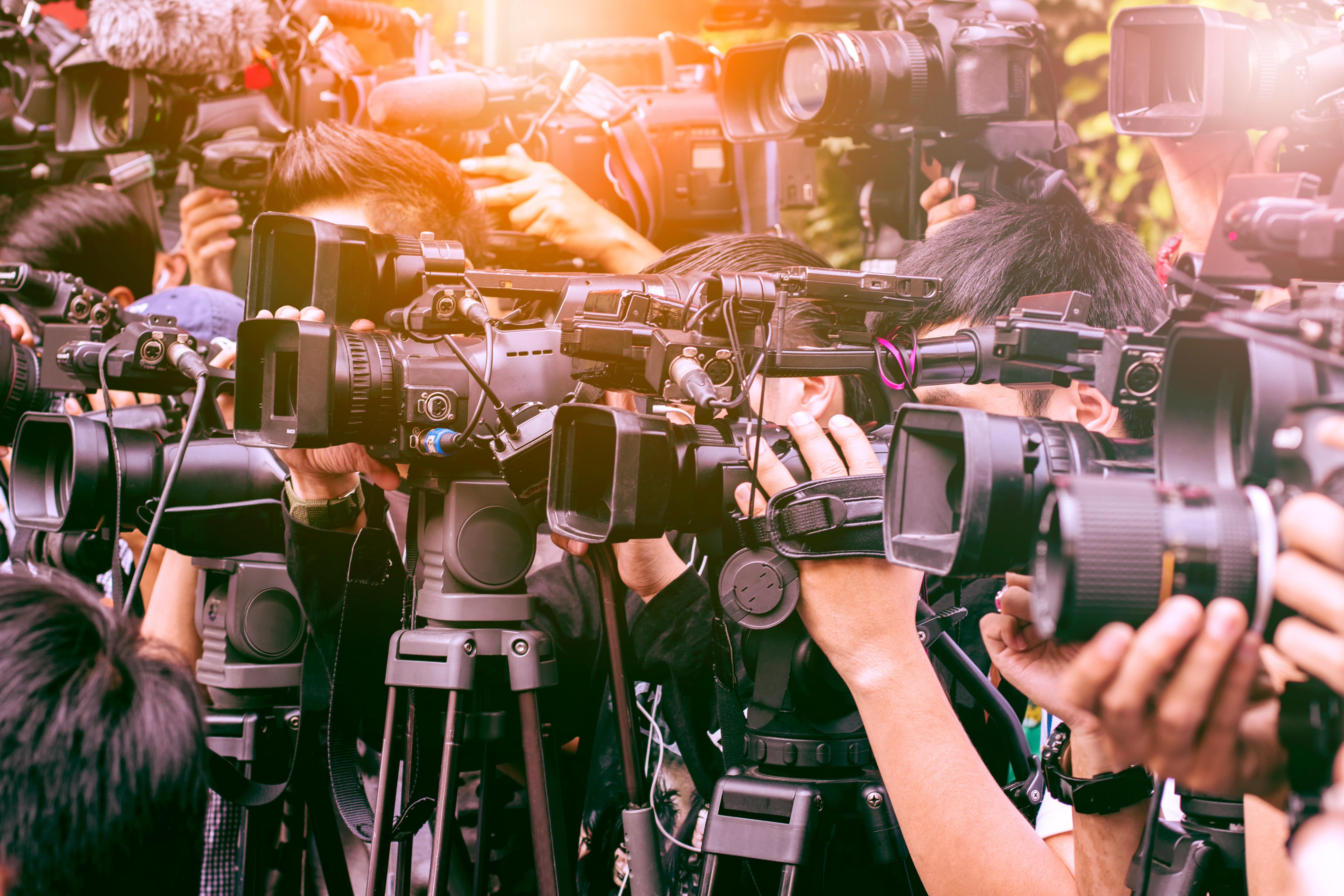
If you are covering news events for an outlet that purports to be down the middle, you cannot be an activist. You don’t take sides. Period.
“Tough, but fair.” That’s the greatest compliment I have received as a journalist. When I hear it — and I have received it from both sides of the aisle — I respond with a simple thank you. Like others, I have made more than a few mistakes in my professional career. One thing I never did was try to win favor with my sources by writing a hit piece or a floating a nutty conspiracy theory. Both are commonplace in today’s media ecosystem.
There is hope. For a variety of reasons, journalists are leaving mainstream press and going out on their own. That’s a good thing for at least a couple reasons. Corporate media executives used to defend their media outlets. Now they largely cower in the hopes of getting favors from government officials, most notably the approval of pending mergers. Secondly, we need more truly independent voices who care about the news and what it means for Americans trying to make ends meet. People don’t need to be told how to think. They can do it that on their own.
What is the media going to look like in five or 10 or 20 years? That’s extremely uncertain. But it is well past time to try something different.
Bob Cusack has been reporting on policy and politics in Washington, DC since 1995 and was editor in chief of The Hill newspaper/TheHill.com for more than 10 years. He was recently named executive editor of the Washington Examiner.