

Face reality as it is, not as it was or as you wish it to be.” — Jack Welch
In an increasingly politically polarized world, it is critical that U.S. strategic decisions are based on objective assessments of risks and benefits. While it may be tempting to imagine a world in which the U.S. can isolate itself from global problems, including the spread of infectious disease and the impact of humanitarian crises resulting from conflict and migration, we must remain clear-eyed. The global population is interconnected in ways that do not respect political boundaries. Diseases travel faster than diplomatic envoys. The abrupt withdrawal of the U.S. from the World Health Organization (WHO), coupled with the significant reductions being made in U.S. foreign assistance, will certainly lead to the collapse of already fragile health systems. The result will be increased death and disease, with resulting political and economic upheavals that will harm many, including Americans. This is the reality.
The global community has long recognized the need for international collaboration to limit the global impact of disease. International sanitary conferences were convened in the middle of the 19th century, largely to manage outbreaks of epidemic disease. In 1902, the need for a permanent international organization to manage health led to the establishment of the International Sanitary Office of the American Republics and the International d’Hygiène Publique (OIHP) in 1907. The devastation of World War II led to the recognition that these institutions lacked broad authority, universal membership, or sustainable support. As a result, the WHO was formed in 1948, as a unified, permanent health body under the newly formed United Nations. The United States played a foundational role in shaping this vision. That commitment deepened after the Soviet Union withdrew from the WHO in 1949, creating a vacuum that the U.S. stepped in to fill, politically, financially, and diplomatically. Subsequently, strong leadership from U.S. scientists and institutions helped the WHO to achieve remarkable successes, including the eradication of smallpox. The WHO became not only a vehicle for improving health, but also a platform for promoting transparency and democratic values in an era marked by Cold War political polarization.
Strong leadership from U.S. scientists and institutions helped the WHO to achieve remarkable successes, including the eradication of smallpox.
However, since the early 1990s, the WHO has gradually refashioned itself from a mostly technical agency focused on disease control and epidemiology into a coordinator, strategic planner, and convener of global health initiatives. This transformation was prompted by the changing landscape of global health financing and the rise of powerful non-state actors such as the Gates Foundation, GAVI, and the Global Fund. While this strategic pivot has allowed the WHO to maintain a central role in an increasingly complex global health ecosystem, the WHO has become overstretched trying to lead, coordinate, advocate, and deliver services, often with insufficient resources and with limited institutional agility. In parallel, the WHO bureaucracy has grown. Slow responses and unclear communication during the West African Ebola crisis in 2014–2016 and again during the early stages of the COVID-19 pandemic have eroded confidence and exposed significant organizational challenges.
As a result, some argue that the U.S. should distance itself from the WHO and instead form alternative alliances or rely on bilateral mechanisms. But this misunderstands both the nature of global health threats and the geopolitical stakes. In the words of the late columnist Earl Wilson, “Snow and adolescence are the only problems that disappear if you ignore them long enough.” Walking away from the WHO will not address these challenges. It simply strengthens the hands of others. Our absence weakens U.S. influence globally and cedes critical ground to geopolitical rivals, most notably China. Rather than standing aside and allowing others to determine global health priorities, set normative guidance, and develop systems for monitoring and responding to health threats, the U.S. must reengage with the WHO.
Rather than standing aside and allowing others to determine global health priorities, set normative guidance, and develop systems for monitoring and responding to health threats, the U.S. must reengage with the WHO.
Reengagement now will allow the U.S. to strategically determine whether to shape the WHO into a more effective, accountable, and efficient organization or to work with the international community to replace the WHO with a viable alternative that is better positioned to deliver on pressing global health needs. The U.S. is uniquely positioned to play a leadership role in determining how these needs are best met. Reengagement is the only means by which the U.S. can actively participate in this process. Reengagement will also signal to our allies and our rivals that America is committed to relationships that are essential not just for health but for economic and political security.
We may not want to engage with institutions like the WHO, but we must. Global crises demand collective solutions. While consensus-based organizations are inherently slow and bureaucratic, they remain the only sustainable path forward towards better health for all, including Americans. The future of U.S. security and economic stability depends on our willingness to lead, not walk away.
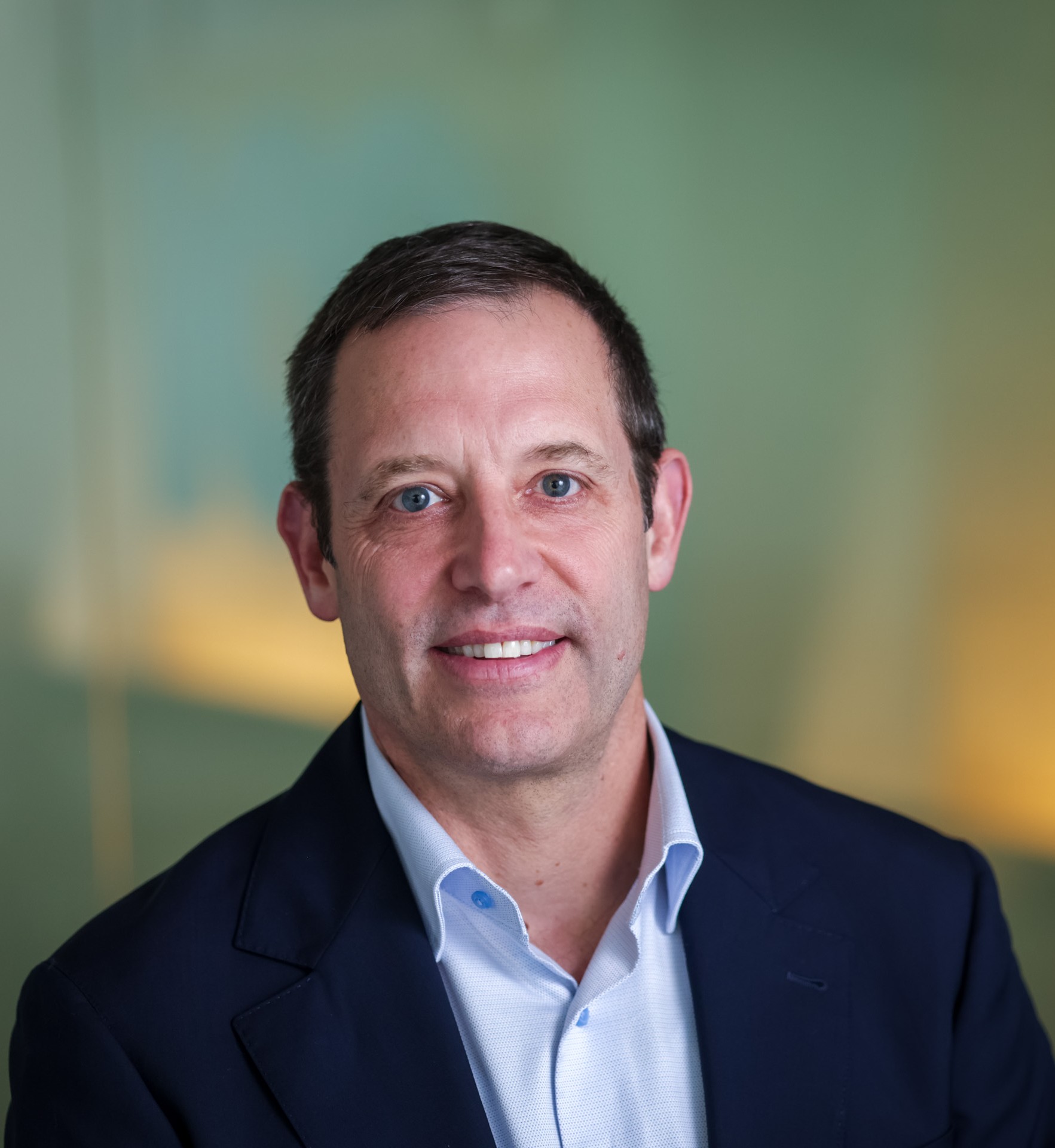
Judd L. Walson, MD, MPH is the Robert E. Black Chair of the Department of International Health and a Professor of International Health, Medicine and Pediatrics at Johns Hopkins University. Dr. Walson has worked extensively to improve childhood survival, growth and development globally. He has significant experience with public health programming, policy formulation, product development and strategic planning, and has worked with multi-lateral organizations, industry partners and private foundations to inform evidence-based decisions.