



Vaccines have had a transformative impact on public health by dramatically reducing the prevalence of vaccine-preventable diseases across the globe. The United States has traditionally been a leader in vaccine development and administration, and our national health and economy have benefited greatly. Nevertheless, increased skepticism surrounding vaccines threatens to reduce future vaccine uptake and erode the health and economic benefits Americans currently enjoy. While there is no easy solution to combat increased skepticism, concerted efforts by public health officials, policymakers, politicians, and the public alike can preserve the United States’ relatively high uptake of vaccines and continue to reap their numerous benefits.
The creation, development, and deployment of vaccines – a U.S. federal priority since the 1960s – has been one of the greatest health care achievements in history. President John F. Kennedy signed the Vaccine Assistance Act in 1962 to create a federal support system for vaccinations in states and communities. Widespread immunization programs have led to the near elimination of diseases that once caused significant morbidity and mortality. For example, before the introduction of the measles vaccine in 1963, an estimated 3–4 million people contracted measles annually in the United States. Today, case numbers are in the hundreds, largely among unvaccinated populations. Similarly, polio – which paralyzed more than 15,000 Americans each year during the early 1950s – has been eliminated domestically since 1979 thanks to aggressive vaccination efforts.
The creation, development, and deployment of vaccines – a U.S. federal priority since the 1960s – has been one of the greatest health care achievements in history.
Reductions in morbidity should be enough to demonstrate that vaccinations make the United States healthier, but their value is not limited to making Americans less likely to get sick. Both childhood and adult vaccinations create high resultant returns on investment. Vaccines significantly reduce direct health care expenditures by preventing diseases before they occur. This preventive approach is much more cost-effective than treatment-based strategies. For instance, routine childhood immunizations in the United States from 1994–2023 are estimated to have prevented around 508 million cases of illness, 32 million hospitalizations, and more than 1 million deaths. In dollars, this prevention results in approximately $540 billion in direct medical cost savings, with almost $2.7 trillion in total societal savings due to illness prevention.
This calculation means that every dollar spent on general childhood immunization resulted in $11 of savings. The long-term benefits, however, aren’t limited to childhood. The broader impact on labor productivity gains is also substantial. Healthy employees perform better, contribute more effectively, and sustain fewer interruptions in their tasks. According to economic analyses, the aggregate productivity benefits of adult vaccinations extend beyond immediate reductions in absenteeism and presenteeism. According to one report, absent workers at U.S. companies cost around $150 billion each year, while those who came to work but weren’t fully functioning due to illness cost $1.5 trillion per year in lost productivity. In another instance, comprehensive immunization programs, including booster shots for COVID-19 and influenza vaccines, are estimated to return significant economic value, with some studies suggesting returns ranging between $2–$4 for every $1 invested due to improved worker productivity and reduced health care costs.
There are even more benefits to vaccines. Private and public sector biomedical development have enormous associated economic gains for the United States. The U.S. bioscience industry, as measured by overall output, totaled more than $3 trillion in 2023. Another recent report underscores the substantial economic benefits generated by the National Institutes of Health (NIH) through its research funding. The analysis reveals that in fiscal year 2024, every dollar invested by the NIH resulted in approximately $2.56 in economic activity, highlighting the agency’s pivotal role in stimulating the U.S. economy. Over the past decade, NIH funding has been instrumental in driving over $787 billion in new economic activity and has supported an average of more than 370,000 jobs annually.
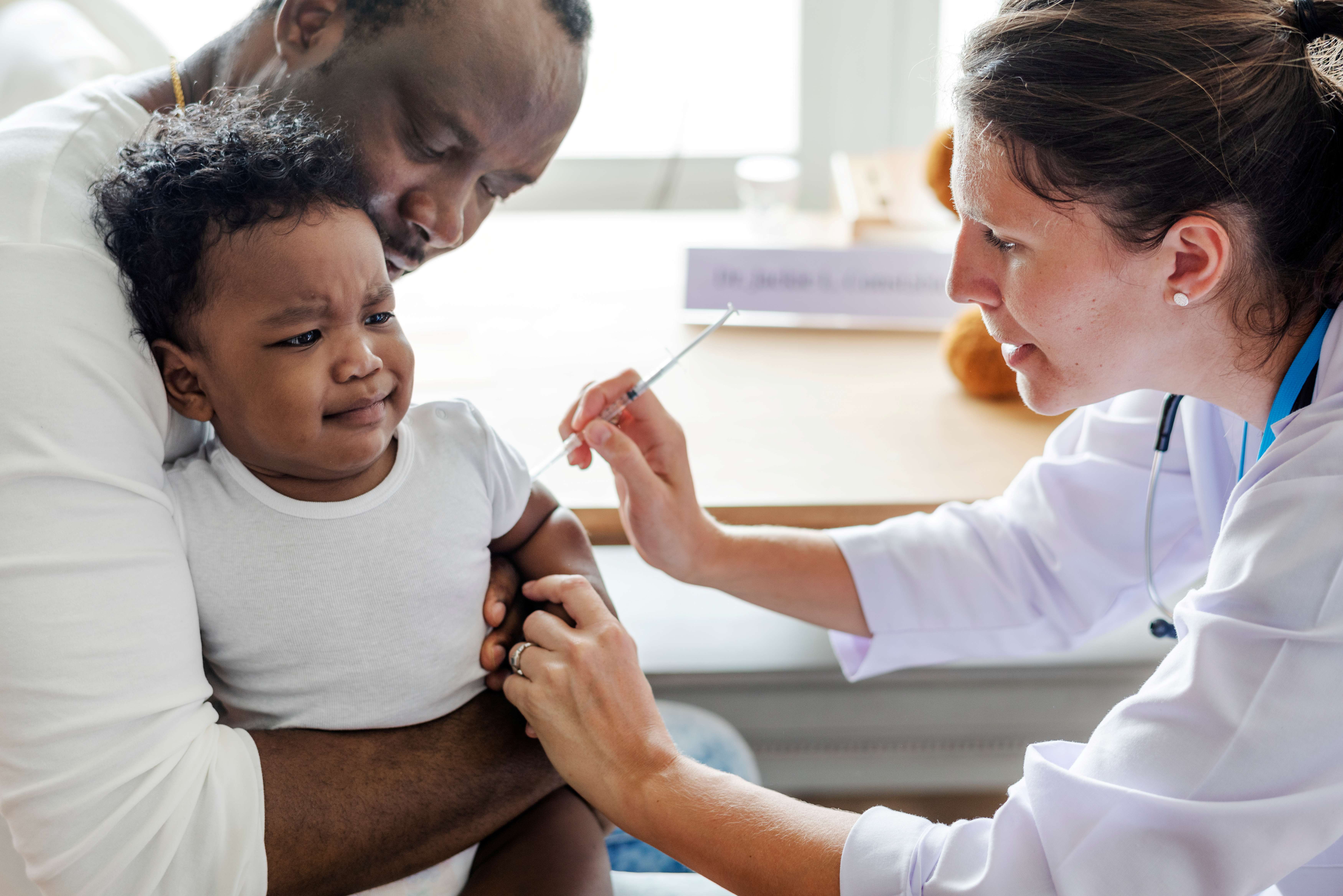
Routine childhood immunizations in the United States from 1994–2023 are estimated to have prevented around 508 million cases of illness, 32 million hospitalizations, and more than 1 million deaths.
In recent years, however, Americans have become more skeptical of the safety and efficacy of vaccines – the effect of which has been to reduce their uptake – making the United States more susceptible to unpleasant and in many cases deadly illnesses. While individuals have reasons for their worries, these concerns have been repeatedly studied and central claims of this skepticism have been addressed.
This leads to two key recommendations for addressing vaccine skepticism in the United States: transparent, plain-language, and proactive communication about vaccine development, testing, approval, and post-licensure monitoring; and modernization and promotion of vaccine safety infrastructure.
Vaccine development is one of the most rigorous and carefully regulated processes in modern medicine. On average, it takes 10 to 15 years for a vaccine to move from preclinical research to full regulatory approval. It begins with preclinical research, where scientists identify a target pathogen and test candidate vaccines for safety and immune response. Only promising candidates advance to human trials, which occur in three phases. If a vaccine proves safe and effective in each of the trials, manufacturers submit data to the FDA for licensure. Independent FDA advisory panels review the data, and the FDA often holds public meetings to promote transparency. Only then is a vaccine approved.
Policymakers should enhance and modernize vaccine safety infrastructure, as well. This includes expanding data integration between federal and state immunization registries, upgrading monitoring platforms, and funding independent research into rare adverse events. Even after approval, vaccines undergo post-marketing surveillance. Emphasizing real-time safety surveillance systems – such as the Vaccine Adverse Event Reporting System (VAERS) and the newer V-Safe platform – can help reassure the public that vaccine safety is an ongoing priority. These systems ensure continued monitoring and rapid response to any unexpected issues, reinforcing public safety long after rollout. Increased transparency around safety data and adverse event investigations will help counteract the perception of secrecy surrounding vaccine research and production that fuels conspiracy theories.
Both of these efforts – improved literacy and modernization of vaccine safety mechanisms – combined with acknowledgement of the positive, communal (sometimes invisible) impacts of vaccination, are important steps to ensure that skepticism is addressed and declining uptake is slowed.
In the United States, vaccination efforts have significantly reduced disease burden, prevented millions of deaths, and saved billions in health care costs annually. To preserve these benefits, vaccine confidence must be restored. It will not be remedied overnight; it is earned through transparency and sustained engagement. By modernizing safety systems, improving access, and fostering trust, federal policymakers can protect the country’s health and preserve the life-saving legacy of vaccination.
Michael Baker is Director of Health Policy at the American Action Forum.