“There is no class of our citizens, big or small, who so emphatically deserve well of the country as the officers and the enlisted men of the army and navy.”
New York Times
November 22, 1914

★
FOUNDED 1962
★
“There is no class of our citizens, big or small, who so emphatically deserve well of the country as the officers and the enlisted men of the army and navy.”
New York Times
November 22, 1914
“It is impossible for a democracy to endure if the political lines are drawn to coincide with class lines.”
Century
January 1900
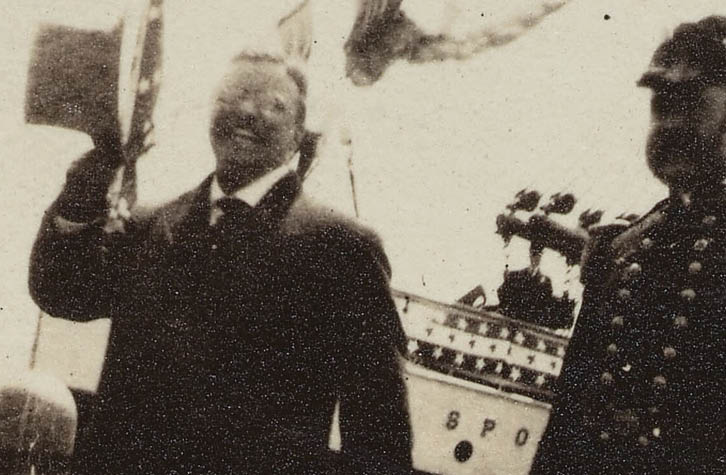
“I think we can say this much, Republicans have not always done well, but it will be an evil day when they do as badly as the Democrats.”
New York
October 28, 1882
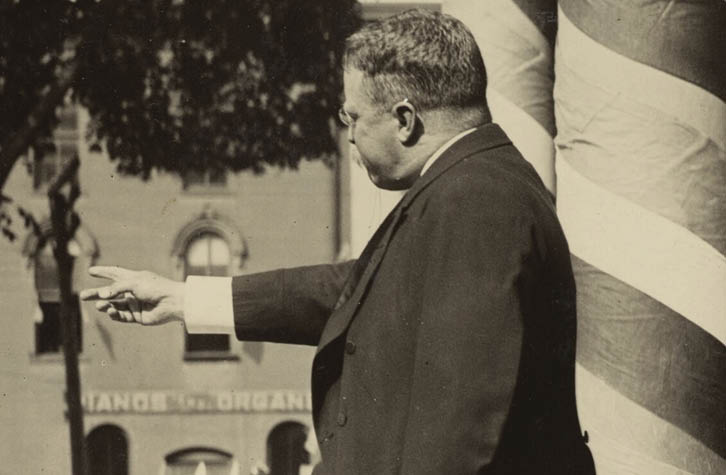
“It often happens that the good conditions of the past can be regained, not by going back, but by going forward. We cannot recreate what is dead; we cannot stop the march of events; but we can direct this march, and out of the new conditions
develop something better than the past knew.”
The Outlook
August 27, 1910
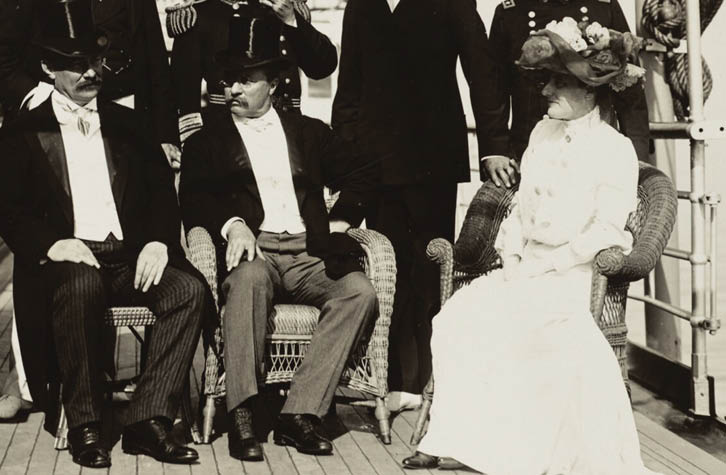
“Never, never, you must never remind a man at work on a political job that he may be President. It almost always kills him politically. He loses his nerve; he can’t do his work; he gives up the very traits that are making him a possibility.”
To reporters at New York Police Headquarters
November 1896
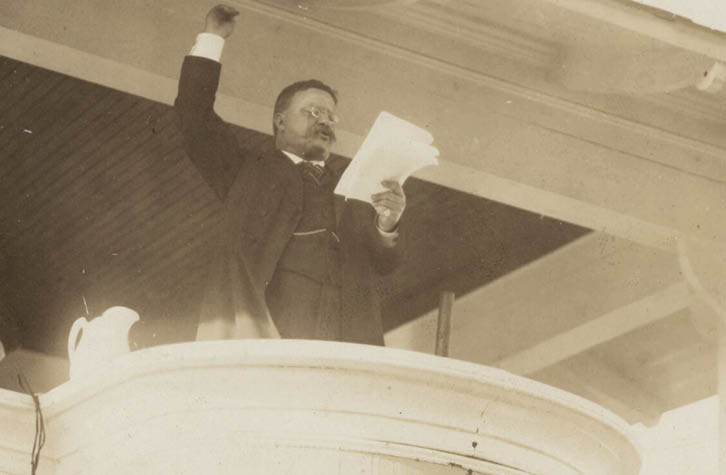
“It is always better to be an original than an imitation.”
Forum
April 1894
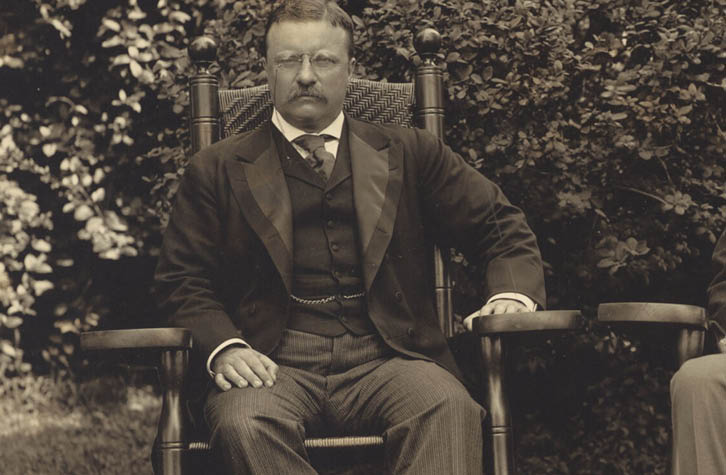
“No man ever permanently helped a reform by lying on behalf of the reform. Tell the truth about it; and then you can expect to be believed when you tell further truths.”
Pacific Theological Seminary
Spring 1911
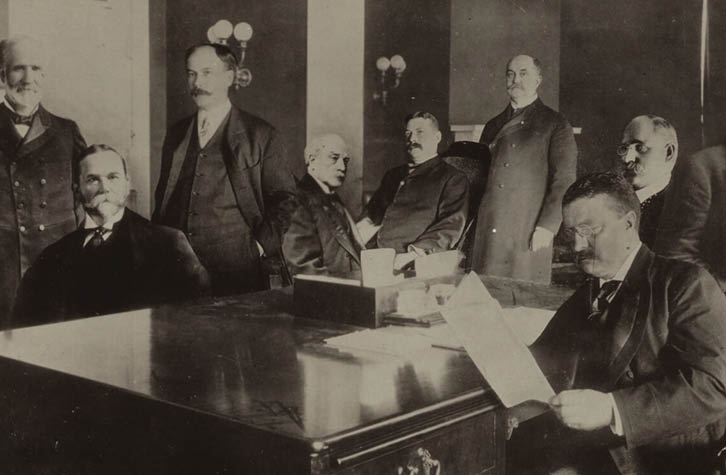
“[A] man knows little of our political, social and industrial needs as a nation who does not know that… politics… affect women precisely as much as they affect men; and he must be unfortunate in his life of acquaintances if he does not know women whose advice and counsel are pre-eminently worth having in regard to the matters affecting our welfare…”
St. Johnsbury Vermont
August 30, 1912
“Labor organizations are like other organizations, like organizations of capitalists; sometimes they act very well and sometimes they act very badly. We should consistently favor them when they act well, and as fearlessly oppose them when they act badly.”
– Berkeley, California, March 23, 1911
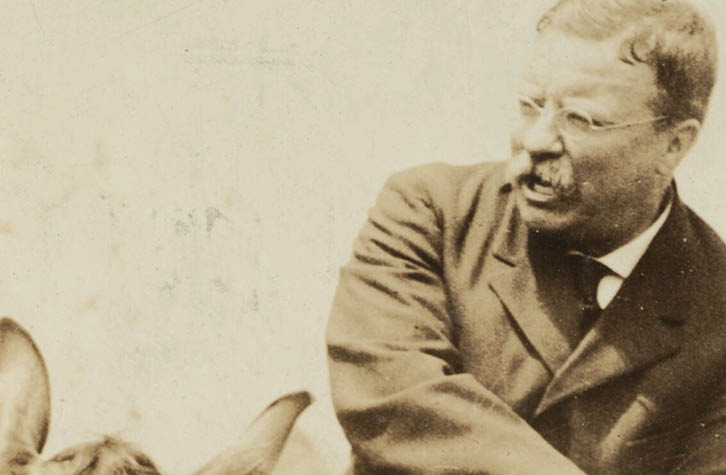
“In a time of sudden and wide-spread disaster, caused by a flood, a blizzard, an earthquake, or an epidemic, there may be ample reason for the extension of charity on the largest scale to everyone who needs it. But these conditions are wholly exceptional, and the methods of relief employed to meet them must also be treated as wholly exceptional … The greatest possible good can be done by the extension of a helping hand at the right moment, but the attempt to carry any one permanently can end in nothing but harm.”
Essay on Civic Helpfulness, Published in the “Century,”
October 1900
“We have no higher duty than to promote the efficiency
of the individual. There is no surer road
to the efficiency of the nation.”
– Ohio Constitutional Convention
Columbus, Ohio, February 21, 1912
“Our country offers the most wonderful example of democratic government on a giant scale that the world has ever seen;
and the peoples of the world are watching
to see whether we succeed or fail.”
– Saratoga, New York, September 27, 1910
★
Receive updates on latest commentary, and noteworthy news.