



Indiana on September 22nd.
America’s rise from 13 colonies to the most powerful nation on Earth was due, in large measure, to our dominance at sea. Our maritime power came not only from having a powerful Navy, but also from possessing a strong and capable commercial fleet.
From our founding, America’s merchant ships carried raw materials and goods around the globe, generating great wealth for our nation and establishing secure supply chains. Today, an overwhelming amount of the goods that fuel our economy still arrive by sea. However, unlike the early days of our nation, hardly any of these goods are traveling on American ships. More and more, they are traveling on ships built, and increasingly registered, in China.
This change is the result of decades of neglect. Over time, the U.S. stopped prioritizing the importance of shipbuilding to our economic and national security and failed to invest in our maritime industry. As a result, this sector eroded, shipyards were abandoned, the shipping workforce was depleted, and America’s commercial fleet is down to a mere 80 vessels.
Over time, the U.S. stopped prioritizing the importance of shipbuilding to our economic and national security and failed to invest in our maritime industry. As a result, America’s commercial fleet is down to a mere 80 vessels.
Meanwhile, across the Pacific, China charted a different course. Through strategic government investment — and illegal market manipulation — China built the largest commercial fleet in the world: approximately 5,500 oceangoing vessels.
In a world without security threats — where we could trust China and its ambitions this wouldn’t necessarily be cause for concern. But that’s not the world we live in. China will stop at nothing to exploit America’s security vulnerabilities, undermine our relationships with trusted allies, and bully developing nations for its own gain. The supply chain interruptions we experienced during COVID would pale in comparison to a Chinese boycott of our ports.
More alarmingly, in time of war, America lacks sufficient shipyard and industrial capacity to repair or build new warships. China understands this, which undermines our military’s objective to deter future conflict.
It’s time to reverse course, return to our roots, and make American ships again.
To begin this rebuilding effort, I introduced the SHIPS for America Act with Senator Mark Kelly (D-AZ). This landmark legislation will revitalize U.S. shipbuilding, rebuild America’s shipyard industrial base, support nationwide workforce development in this industry, and ensure we have the fleet we need to reclaim maritime dominance. Our bill is needed to bolster our supply chains, strengthen our warfighting capabilities, and allow us to keep pace with China.
We are fortunate to have a President who understands the urgent need to address our rusted reality. Earlier this year, President Trump signed an executive order titled “Restoring America’s Maritime Dominance.” The SHIPS Act, which mirrors multiple aspects of the President’s executive order, would provide the funding and authorities to revitalize the maritime industry, while also putting up barriers against China’s continued efforts to dismantle our shipping economy.
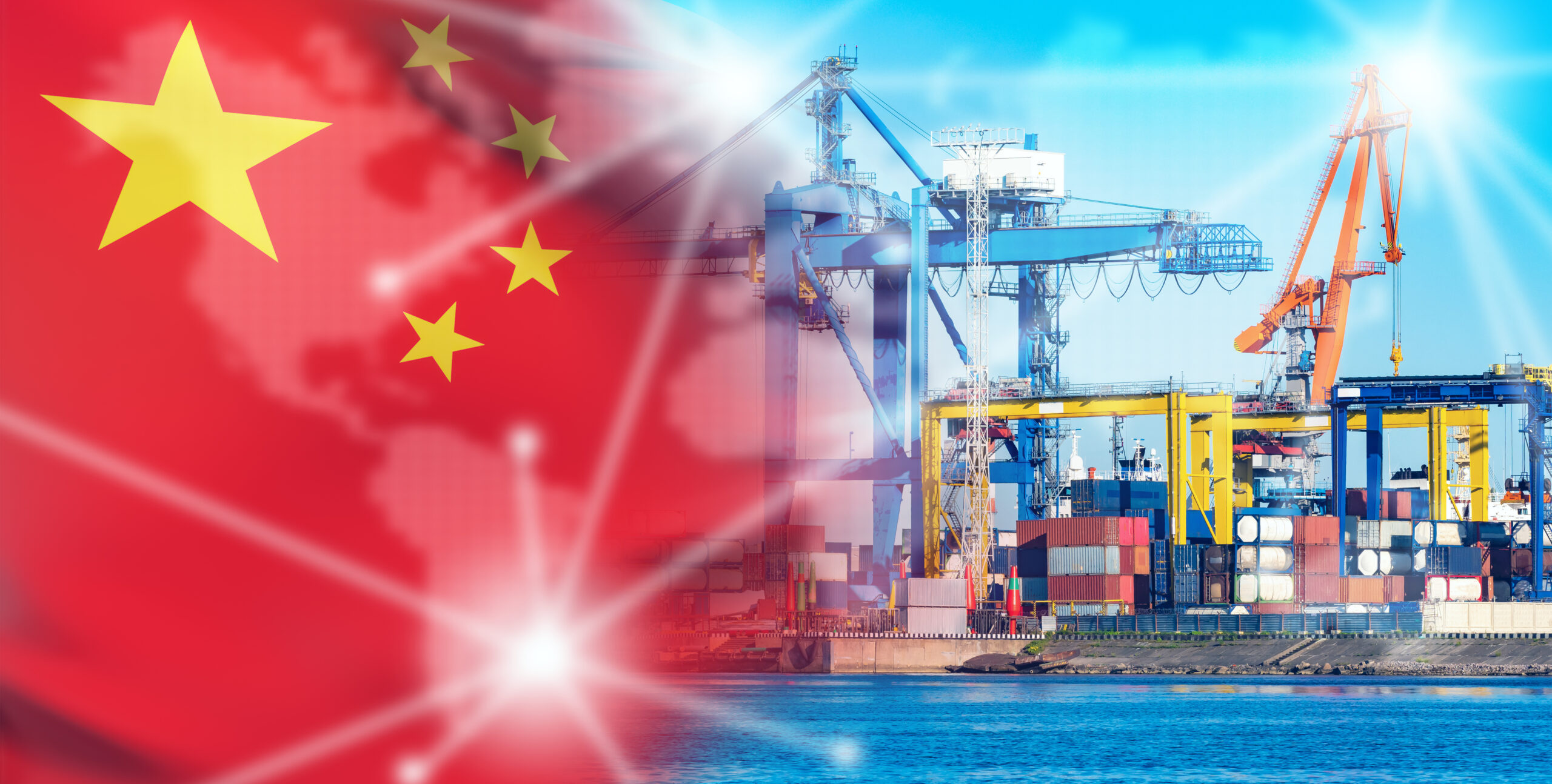
Meanwhile, across the Pacific, China charted a different course. Through strategic government investment — and illegal market manipulation — China built the largest commercial fleet in the world: approximately 5,500 oceangoing vessels.
Together, the SHIPS Act and the President’s executive order will lead to a shipbuilding revival across the country, and my home state is ready play a key role.
Along the Ohio River, southern Indiana communities have a long history of shipbuilding success. For years, Hoosiers working at the shipyards built commercial ships, including steamboats, barges, and towboats. When World War II broke out, these shipyards joined the war effort and produced the Navy’s oceangoing ships at record-breaking levels. But when the war ended, America stopped producing ships and quickly became outpaced by foreign competition.
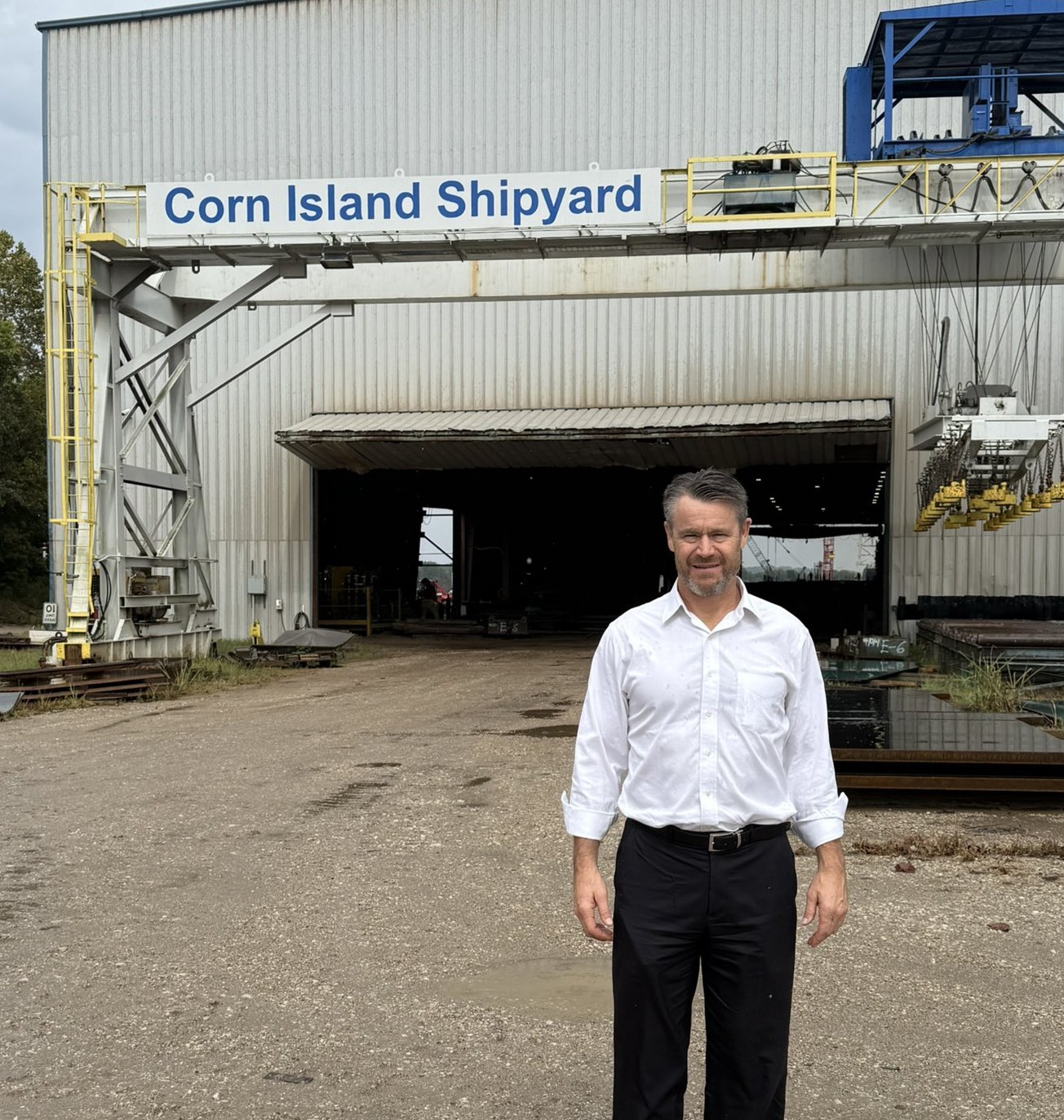
Indiana’s once thriving shipyards are now mainly closed, except for Corn Island in southern Indiana along the Ohio River.
I recently toured Corn Island Shipyard to learn more about its operations, Hoosier workforce, and manufacturing of custom barges. The passage of the SHIPS Act would increase opportunities for little known shipyards like Corn Island across the nation.
Hoosier steel manufacturers could benefit from the increased need for steel to build these new ships. Small component manufacturers across the state would likely see additional demand.
Since the bill’s introduction, numerous Hoosier small businesses have shared how the SHIPS Act could lead to more growth or opportunities for their workers.
Further, as one of the top agriculture states, Indiana relies heavily on exports. If our economy depends on goods carried aboard Chinese-flagged ships, our supply chain is at the mercy of China. But, if we increase our own shipping capabilities, we will have more American ships exporting American goods. This will increase confidence and drive down costs for both our farmers and consumers.
This is the promise of the shipbuilding revival – revitalized shipyards, more good- paying American jobs, security from economic coercion, and enhanced naval readiness for a potential conflict with our greatest adversary.
It’s time to Make American Ships Again.
Todd Young is the senior U.S. Senator for Indiana. He is a Naval Academy grad and former Marine. He serves on the U.S. Senate Committees on Finance; Commerce, Science & Transportation; Small Business and Entrepreneurship; and the Senate Select Committee on Intelligence.