


In 1967, my mother opened the door to a sharply dressed young man in military uniform. He had a smirk on his face and national pride expanding his starched shirt. My father greeted him and embraced his baby brother who was about to depart for Vietnam.
He volunteered to serve. He would not come home.
A few years ago, while watching the nightly news, I saw a man carrying my uncle’s photo during a Memorial Day event in Richmond, Va. I did not know him, but he was part of the brotherhood of Marines that included “Smitty,” the name he gave my uncle. What struck me was the pain in this Marine’s face and how, so many years later, it still held the memory of a battle that took his friend.
Some wounds can last a lifetime.
When I began working for the American Psychological Association, I did so with the knowledge that the psychological tolls of modern warfare demand our commitment to the highest quality of mental health care. And the need for that care has only increased.
Demand for mental health care from the Department of Veterans Affairs (VA) has risen steadily over the past 20 years, outpacing other care within the VA. A June 2025 Government Accountability Office (GAO) report found that 67 percent of troops screened positive for at least one mental health condition in their separation health assessment, with post-traumatic stress disorder and depression among the most common issues identified.
A June 2025 Government Accountability Office report found that 67 percent of troops screened positive for at least one mental health condition in their separation health assessment.
Dedicated VA psychologists and other mental health providers have led the way in establishing standards for practice, training, and research, while saving countless lives. But how do we reach more veterans in need? And what are the cultural and systemic barriers?
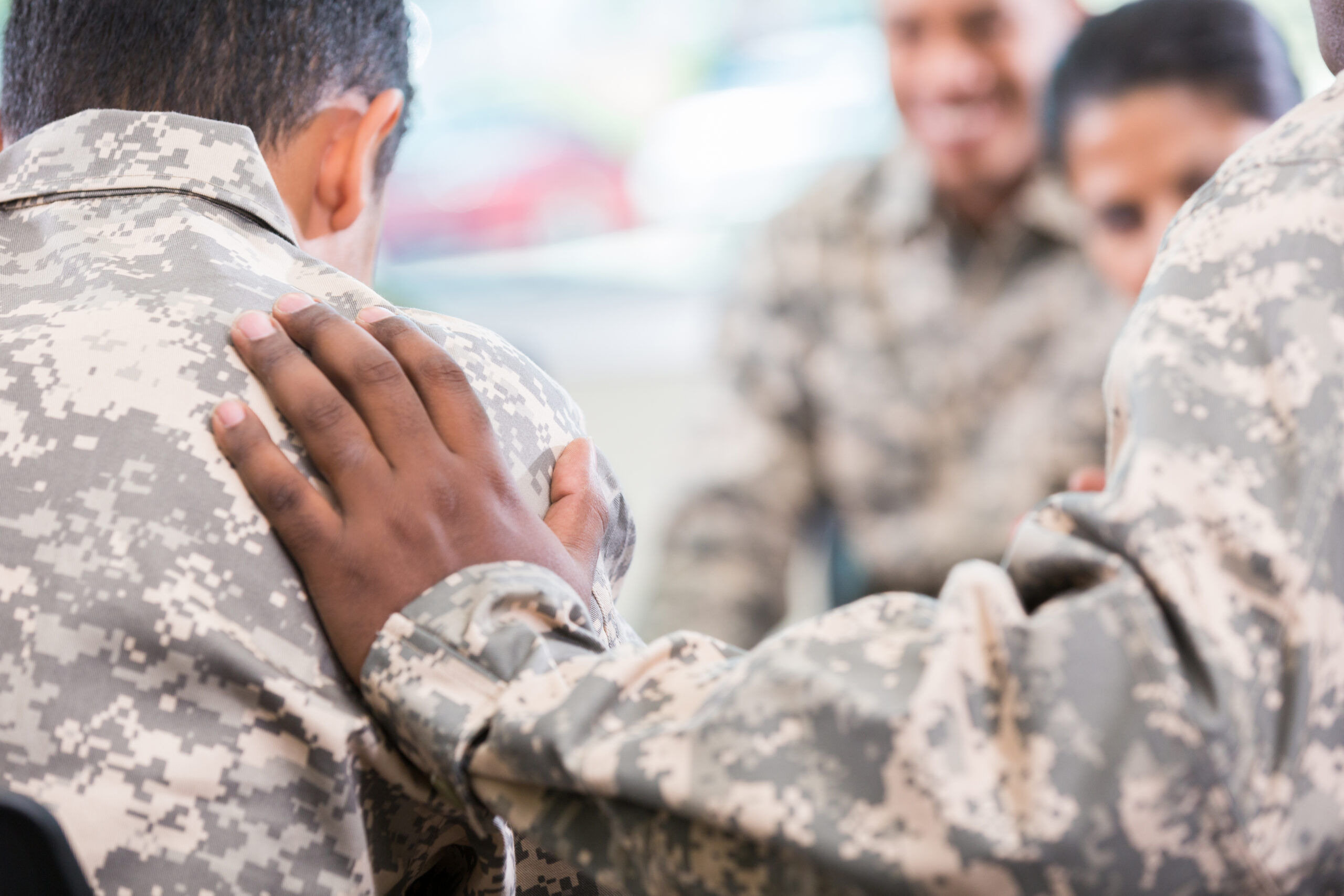
Despite growing mental health awareness, a gap remains between veterans who need care and those who receive it. Reducing stigma, addressing provider shortages, and ensuring high-quality care are three ways we might make a difference.
Reducing Stigma
The Department of Defense and VA have made great strides in addressing mental health stigma in the military and veteran community. Younger generations are increasingly responding to anti-stigma efforts and are open to sharing their challenges. But addressing communication and belief differences across generations, such as between leaders and their subordinates, is necessary to improve mental health and wellness, reduce suicide rates, and bolster mission readiness.
This matters, especially given that 62 percent of veterans who died by suicide in 2024 were not receiving VA health care in the year they died or the year prior. Continuing education and awareness efforts to reduce stigma is one way to connect with those suffering by empowering them to seek treatment.
Addressing Provider Shortages in Mental Health Care
There are nearly 7,000 psychologists serving veterans within the Veterans Health Administration (VHA), but recently, the VA Inspector General’s Office reported 4,712 severe occupational staffing shortages in fiscal 2026 – the highest number in seven years. Practical nurses, psychologists, psychiatrists, social workers, and nursing assistants were all among the top five clinical staffing shortages.
Such shortages should not come as a surprise. The VA reduced its workforce by 30,000 employees last year while also placing staffing caps on each facility. These actions also meant the elimination of tens of thousands of vacant positions.
62 percent of veterans who died by suicide in 2024 were not receiving VA health care in the year they died or the year prior.
Care in the community is experiencing similar shortages. The United States has 6,807 mental health care Health Professional Shortage Areas, with an estimated 137.1 million people living in areas where there are not enough mental health professionals available to meet demand. Yet roughly 40 percent of VA care is now outsourced to community providers with an expectation of shorter wait times for care. There might always be a need to supplement VA care due to specialty care, wait times, and location considerations, but such referrals should not be the result of underfunding and understaffing care within the VA.
It is worth noting that the VA aids in addressing the national mental health workforce shortage through training. The VA is the largest single training provider of professional psychologists in the U.S., supporting more than 1,200 funded psychology training positions annually. It is estimated that more than 50 percent of all U.S. psychologists have received training at the VA, making it a critical provider pipeline for our healthcare workforce.
Meeting demand across our health care system requires fully funding and staffing the VHA integrated healthcare system and continuing to invest in training the next generation of mental health providers.
Ensuring High-Quality Care
Over the past decade, policies have concentrated on issues of veterans’ access to mental health care, but access to quality mental health care should be our priority.
In August, I attended a veteran listening session in Hampton, Va., where veterans voiced concern that the quality of their care varied from one provider to the next and coordination proved difficult as they navigated care within and outside of the VA. This raises two important questions: What are the obstacles and challenges to accessing quality care? And how can we apply the highest standard of care for all veterans in all settings?

The VA is the largest single training provider of professional psychologists in the U.S., supporting more than 1,200 funded psychology training positions annually.
First, veterans should expect to see providers who have received key training courses in suicide prevention, lethal means safety, military culture, and military sexual trauma currently required within the VA. Many veterans do not realize that this training is not required for VA community providers, including those providing mental health services through VA-funded grant programs. A May 2025 GAO report recommended that the VA better monitor whether community providers have completed any of eight core trainings, following findings that “2 percent of the community providers with a behavioral health referral from fiscal years 2021 through 2023 had completed one or more of these trainings.” We can and must do better.
Coordination of care should also be considered when assessing quality. With an increase in fragmented care for veterans, it is critical that improved care coordination and timely records exchange be required wherever they receive care. When a veteran is seeking mental health care, getting lost in the system presents a new layer of stress and may deter future treatment.
Lastly, with an increase in VA-funded grant programs and community care, standards for quality assurance, oversight, and accountability are a must. Without evidence of program and grantee level effectiveness, we fail to understand both positive and negative impacts on veteran mental health.
When service members take their oath of enlistment to support and defend the Constitution, they are choosing to accept a heavy burden – one that could come with grave and lasting consequences. For the rest of us, honoring our commitment to veterans is a profound moral obligation that reflects the character of a nation.
That Marine I saw on the nightly news deserves our very best. And so does the next generation — including my niece and nephews, who currently serve. We must honor our commitment to them and can do so by empowering service members and veterans to seek the care they need and by meeting them with the best care possible.
K. Conwell Smith is Deputy Chief of Military and Veterans Policy for the American Psychological Association.