

As America prepares to celebrate 250 years of independence, we are called to reflect not just on how far we have come, but on who helped get us here — and who continues to carry that work forward. For Black Americans, that story is inseparable from the story of the Republican Party.
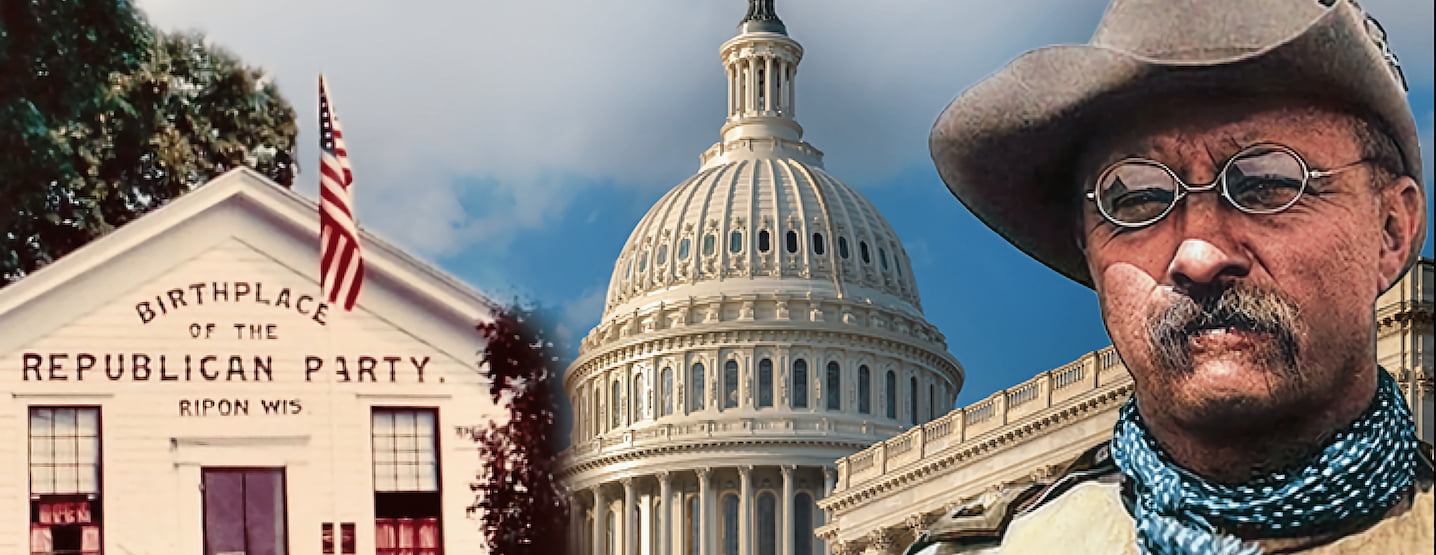
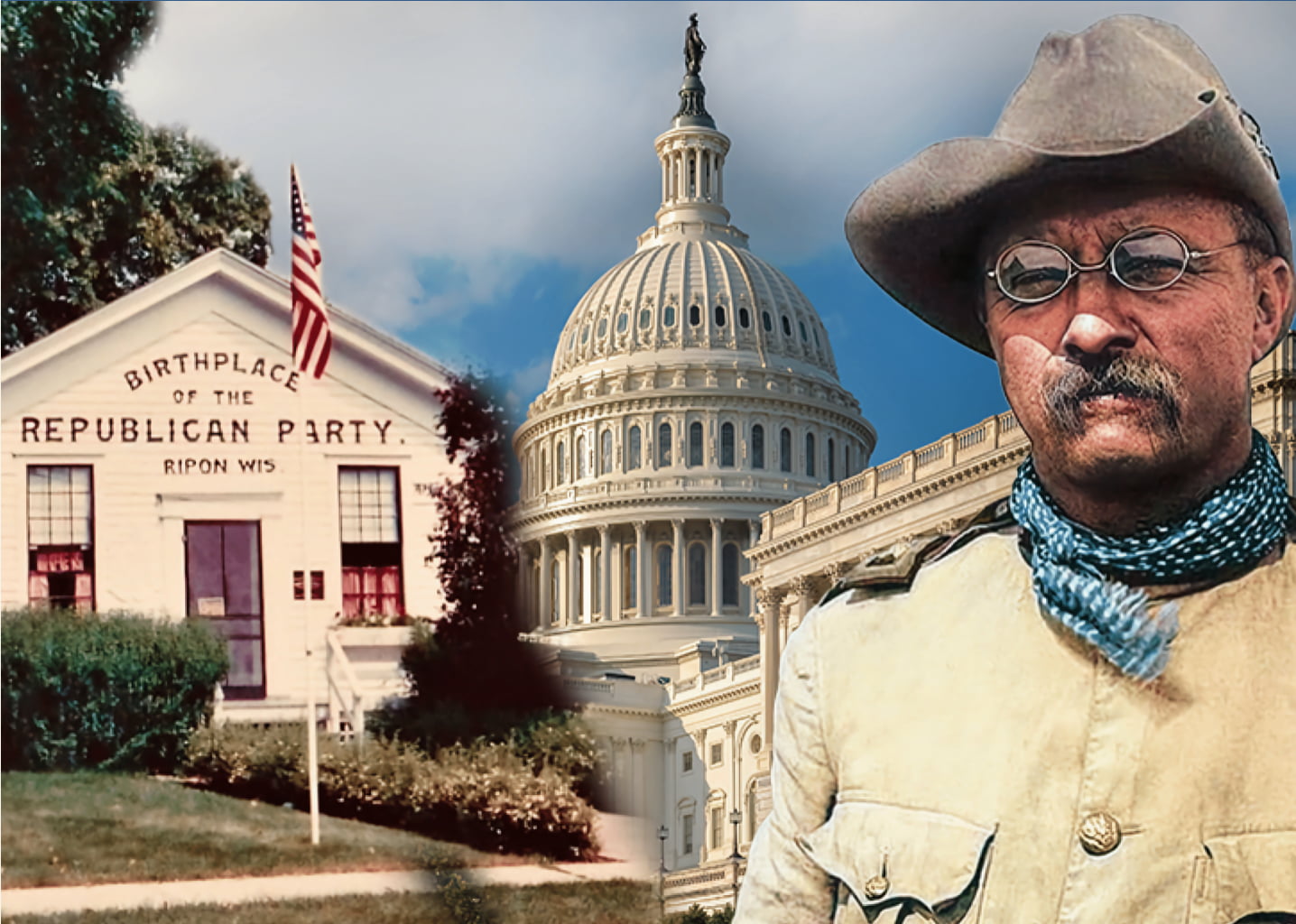
It is a history many have forgotten, and some have worked hard to obscure. But the facts are clear. The Republican Party was founded in 1854 on a singular moral conviction: that slavery was wrong and that the American promise of liberty must extend to all people. Abraham Lincoln carried that conviction to the White House, and the party he led fought a war to make it real. The Thirteenth, Fourteenth, and Fifteenth Amendments — abolishing slavery, guaranteeing citizenship, and securing the right to vote — were Republican achievements, passed over fierce Democratic opposition.
The facts are clear. The Republican Party was founded in 1854 on a singular moral conviction: that slavery was wrong and that the American promise of liberty must extend to all people.
Frederick Douglass understood this. The greatest abolitionist voice of his era, Douglass was a Republican. He saw in the party not perfection, but purpose — a political home committed to the idea that freedom was not a privilege for the few but a birthright for all Americans.
Look at the leaders who followed in that tradition. Colin Powell and Condoleezza Rice shattered barriers in service to their country. Senator Tim Scott has become one of the most compelling voices in American politics — a man who grew up poor, built a life through faith and hard work, and fights daily for the communities that shaped him. Secretary Scott Turner has dedicated his career to empowering neighborhoods through opportunity and investment. And Congressman Byron Donalds is now poised to make history as Florida’s first Black Governor — a leader whose rise reflects both the party’s promise and its future.
These are not anomalies. They are a tradition.
I have seen that tradition up close. As a senior advisor in President Trump’s White House, I had the privilege of helping deliver some of the most consequential wins for Black Americans in a generation. The First Step Act — the most significant criminal justice reform in decades — gave thousands of Americans a second chance, including Alice Marie Johnson, a grandmother who had spent more than two decades in federal prison on a nonviolent drug conviction. President Trump commuted her sentence, and her freedom became a symbol of what is possible when justice is pursued with courage and compassion. We also secured record funding for Historically Black Colleges and Universities (HBCUs), making permanent what had previously required annual political battles — a lasting investment in Black academic excellence and economic mobility.
These were not talking points. They were lives changed.
Yet today, the relationship between Black Americans and the Republican Party is often framed as a contradiction. That framing does a disservice to history and to the millions of Black Americans whose values — faith, family, entrepreneurship, community, patriotism — align naturally with conservative principles. The Republican Party did not abandon Black America.
Yet today, the relationship between Black Americans and the Republican Party is often framed as a contradiction.
But honest conservatives must reckon with the political distances created over the twentieth century, even as the party’s founding DNA has never changed.
America 250 is a moment to recommit to that founding promise — and President Trump is delivering on it. The largest tax cut in American history is already securing increased purchasing power for countless American families. His administration has advanced school choice and expanded access to trades, ensuring every student has a path to success while empowering parents to demand better and never leave a child trapped in a failing system. And on housing, President Trump stands on the brink of monumental policy — the first of this generation — that will make the dream of homeownership a reality for families who have long been locked out.
These are not abstract policy goals. They are life-changing commitments being kept. These are not Black issues — they are American issues, and President Trump and the Republican Party are where they find their most consistent and effective champion.
Two hundred and fifty years in, Black Americans are not passengers in the American story. They are among its authors. The Republican Party, at its best, has always known that. Now is the time to prove it again.
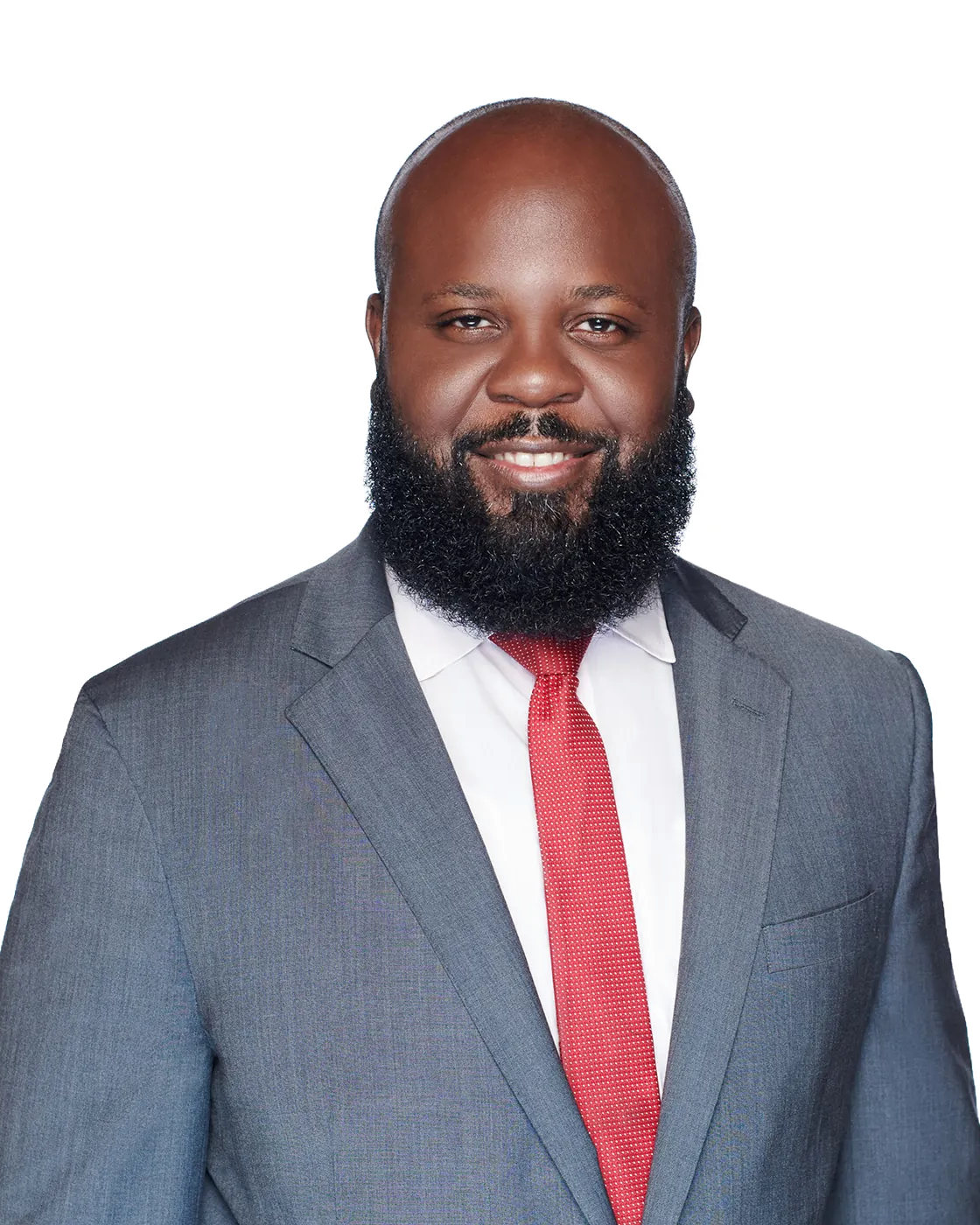
Ja’Ron Smith is a policy expert experienced in advocacy, legislating, and policy strategy and negotiation. Smith recently served as the Executive Director of the Center for Advancing Opportunity at Thurgood Marshall College Fund. Prior to CAO, Smith was working with the Trump Administration as the highest and longest ranking African American advisor, serving in a number of roles.