

Twenty-five years after the horrific events of September 11, 2001, united our country in strength and sorrow, Americans continue to join hands on this day as we remember the thousands who lost their lives in the deadliest terrorist attacks on U.S. soil in our history.
In his address to the nation that evening, President George W. Bush stated that “terrorist attacks can shake the foundations of our biggest buildings, but they cannot touch the foundation of America.” That foundation is still strong today, even amid polarization in our nation and our world.
In the aftermath of 9/11, Americans overwhelmingly supported their government. The president’s post-9/11 approval rating rose to 92 percent just months after a divided election. About 60 percent of U.S. adults expressed trust in the federal government – a level not reached in the previous three decades or in the two decades since, according to Pew Research from that October. That month, 79 percent of U.S. adults said they had displayed an American flag and most said they often felt patriotic because of the attacks.
The unity of our nation after 9/11 showed what is best in the American spirit, and reminded us what it means to embrace each other as fellow Americans. Compassion, courage, goodwill, justice, and principled leadership brought us together without concern for race, religion, or political philosophy. These are the same American ideals that bind our nation today. 9/11 reminds us that America is a nation of civic purpose and virtue of character – and that it shouldn’t take a tragedy to turn neighbors into friends.
The unity of our nation after 9/11 showed what is best in the American spirit, and reminded us what it means to embrace each other as fellow Americans.
Hours after evacuating the Capitol, about 150 members of Congress from both houses and both political parties stood on the building’s East Front steps and sang “God Bless America.” On September 14, President Bush visited the site of the Twin Towers and began his famous impromptu remarks by seizing a bullhorn and telling New Yorkers that the nation stood with them, issuing the courageous rallying cry: “I can hear you! I can hear you! The rest of the world hears you! And the people who knocked these buildings down will hear all of us soon!”
The spirit of that day was embodied by the man he stood next to while speaking those words. Bob Beckwith, a 69-year-old retired firefighter from Queens, New York, had taken his old gear out of the closet and raced toward Ground Zero to help save others. Beckwith was part of the bucket brigade, in which citizens and first responders passed along buckets filled with rubble to clear debris and search for victims. “It’s not about me,” Beckwith later said. “It’s about the president and the country, and it was for a terrible tragedy. I’m not gonna pat myself on the back, I didn’t do anything.”
Days later, President Bush led with compassion at the Islamic Center of Washington, D.C., when he supported American Muslims who were being harassed in the aftermath of the attacks. On that day, he urged Americans to listen to their better angels: “Those who feel like they can intimidate our fellow citizens to take out their anger don’t represent the best of America, they represent the worst of humankind, and they should be ashamed of that kind of behavior.”
Leadership that combines conviction with compassion can help unite our country if it shows citizens what is most important in our national life. Not the headlines, not the performative political arena of D.C., not ego and posturing, but care for our communities and respecting our neighbors as reasonable people of goodwill.
Leadership that combines conviction with compassion can help unite our country if it shows citizens what is most important in our national life.
Two months ago, as we celebrated the 250th anniversary of our nation, President Bush described the small things each of us can do to bring our country back together:
“There are many people, particularly the young, who are willing to help a neighbor in need, who man homeless shelters or help with soup kitchens without the government telling them to do so,” he said. “They’re motivated by love of their fellow citizens. It is what I call the armies of compassion. I’m pleased to report the armies of compassion remain strong today. And so long as they do remain strong, I’m very optimistic about the future of the next generation.”
Find ways to join the armies of compassion. Volunteer in your community, help your neighbor, or find other ways to give back what our nation gives to each of us. American unity will only be possible when we rededicate ourselves to the American tradition of noble public service that calls each of us to be citizens, not spectators.
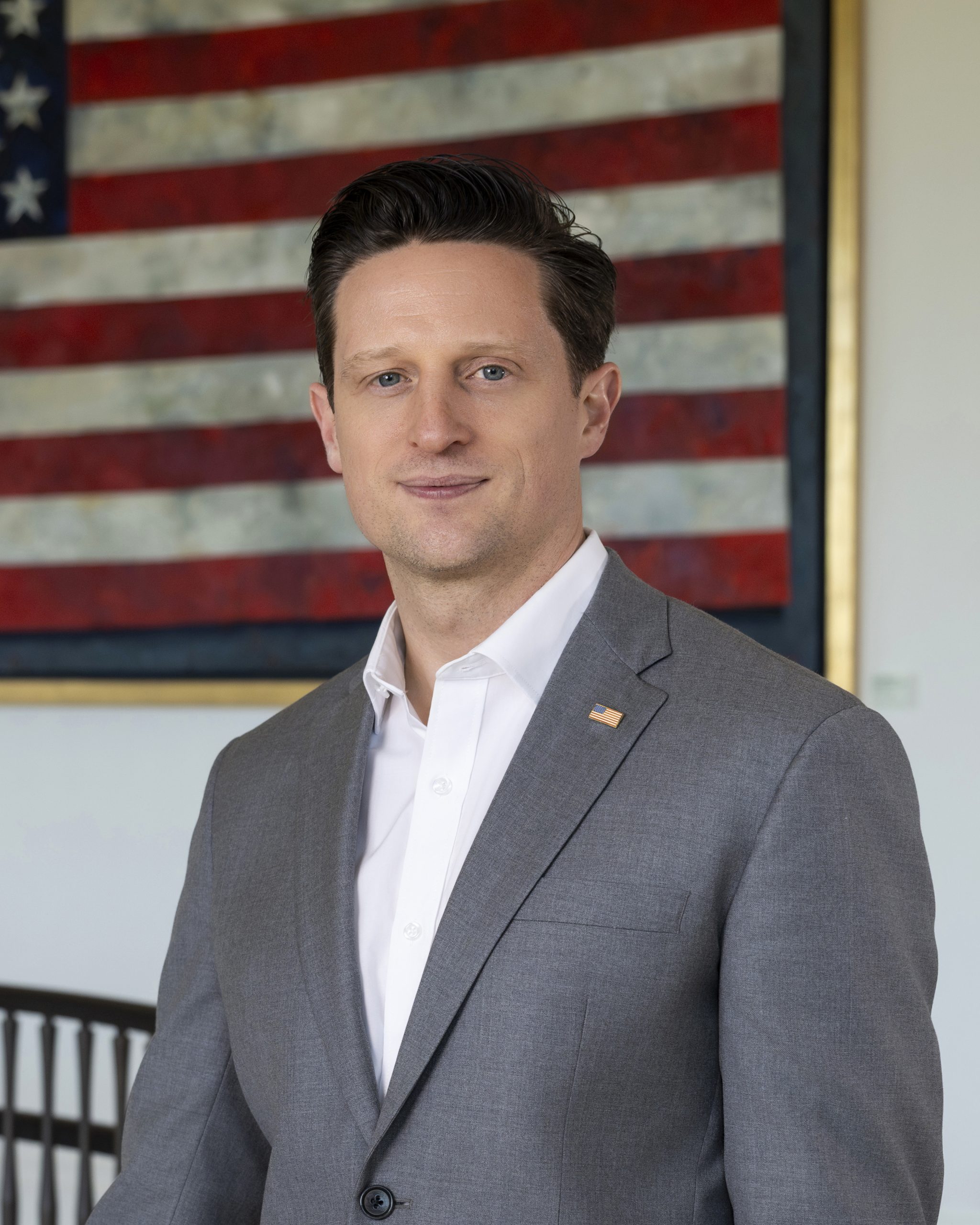
Shilo Brooks is President and CEO of the George W. Bush Presidential Center and Professor of Practice in the Department of Political Science at SMU. He was previously Executive Director of the James Madison Program in American Ideals and Institutions at Princeton University, where he taught in the Department of Politics.